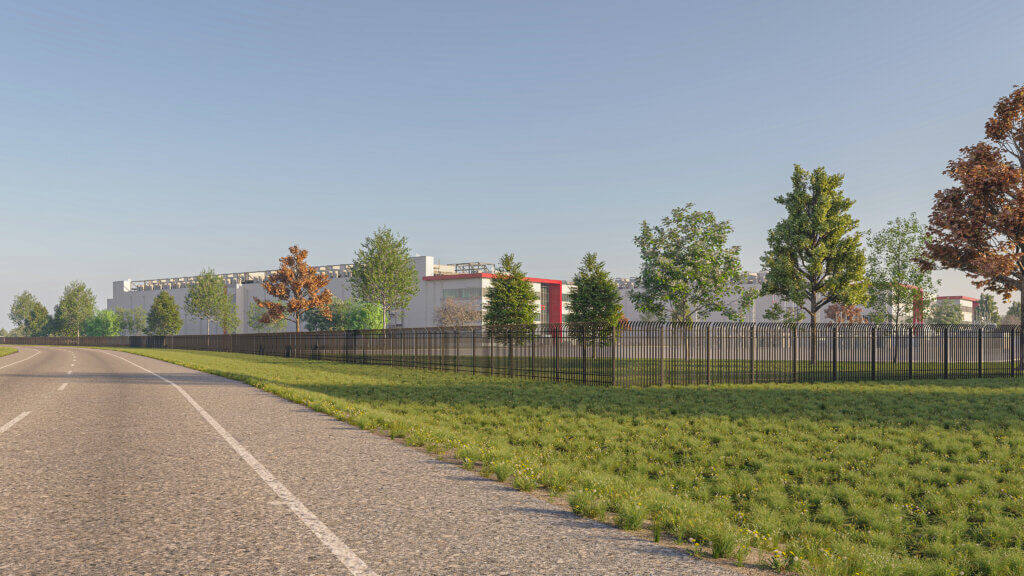
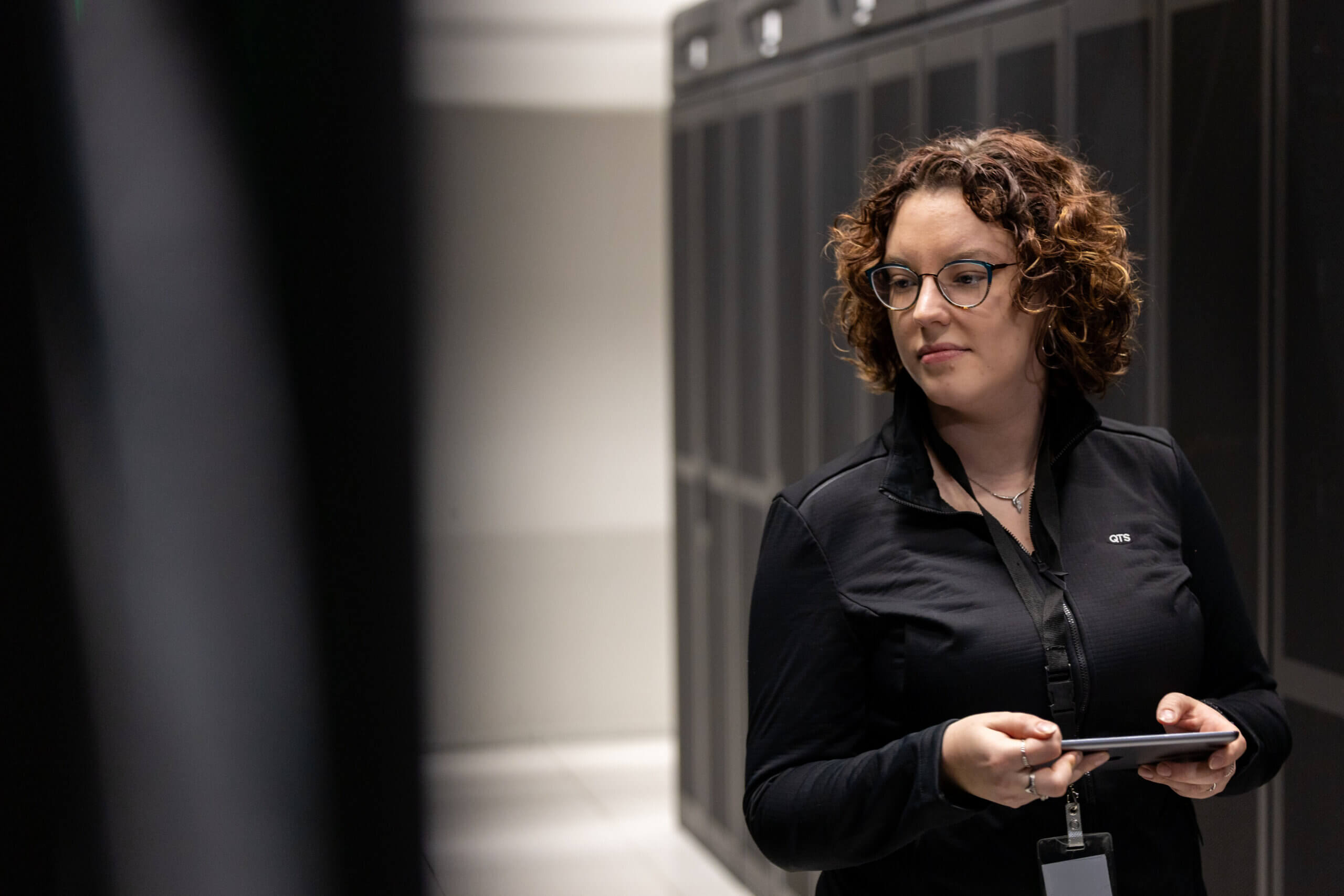
QTS is exploring a new data center campus in Lippetal, North Rhine-Westphalia to support and strengthen Germany’s digital economy and create long-term benefits for the local community.
Lippetal offers a strong location for new digital infrastructure, with convenient access to Germany’s important industrial and logistics regions, including the nearby Ruhr area. The site is also positioned near Amprion’s transmission network, with planned power connections to the site ready to support future development.
With more than 20 years of experience building and operating data centers around the world, QTS understands that delivering industry-leading digital infrastructure starts with responsible development and strong community relationships.
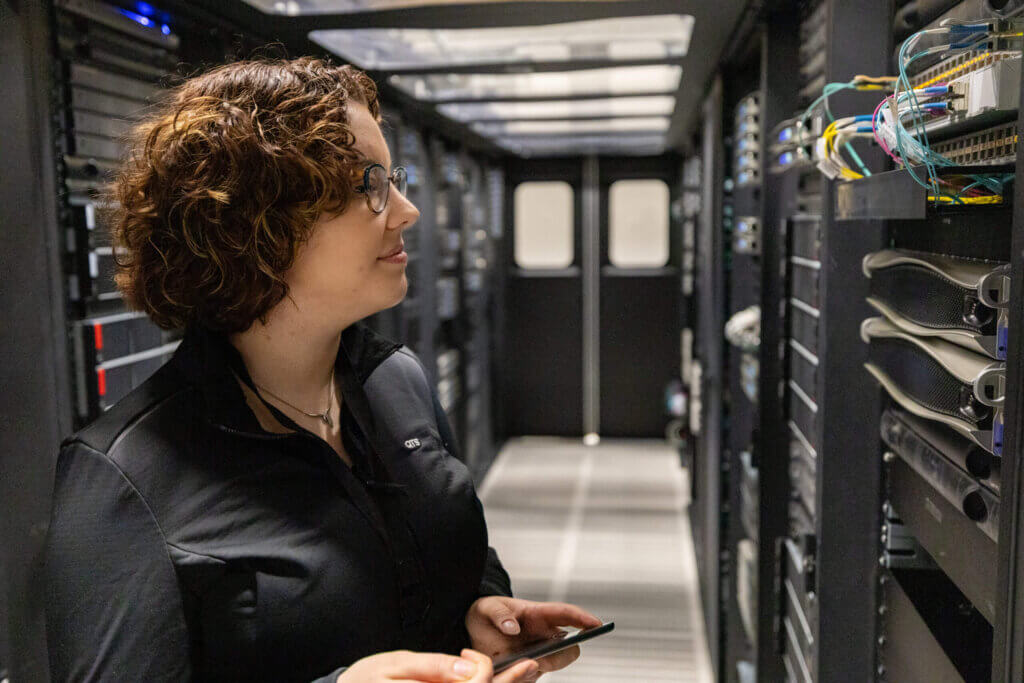
Data centers store and process digital information for essential services such as mobile communications, online banking, medical records, cloud services and other everyday digital activities. By enabling reliable internet connectivity and secure data storage, they play a critical role in keeping businesses, public services and communities connected.
The proposed Lippetal campus would contribute to Germany’s digital economy while creating opportunities for local investment, skills development and economic growth.
QTS is committed to open engagement and clear, accurate information as the project develops.
Planning Note
The information on this website reflects the current project concept. All project details remain subject to ongoing design development, environmental assessment, consultation, regulatory approvals, power availability and customer requirements.
The Lippetal Campus at a Glance
Location
Lippetal
North Rhine-Westphalia
Site Area
Approximately
30
hectares
Campus Concept
3
proposed data centre buildings
Around
200
MW
Development Approach
Phased delivery
Current Status
Planning, environmental assessment and permitting activities underway
This reflects the current project concept and may change as the design develops and planning progresses.
Learn more
About QTS
QTS is a global digital infrastructure leader with more than 100 data centers in operation or under development across the United States and Europe.
For more than 20 years, QTS has designed, built and operated secure, resilient data center infrastructure for leading global organizations. As a Blackstone portfolio company, QTS combines global expertise with local teams across Europe.
Large-scale digital infrastructure projects generate economic activity during construction and throughout operation.
The proposed Lippetal campus would support jobs in construction, engineering, operations, maintenance, security and technical services, while creating opportunities for local contractors, suppliers and service providers.
Project spending could also support wider economic activity across Lippetal and the Kreis Soest region.
QTS will work with local partners to explore opportunities in:
Local hiring and workforce development
Apprenticeships and vocational training
Opportunities for regional suppliers and small and medium-sized businesses
Collaboration with schools, colleges and training providers
Skills development linked to construction and data center operations
Community investment initiatives informed by local priorities
Sustainability
We Consume Zero Water for Cooling Once Operational
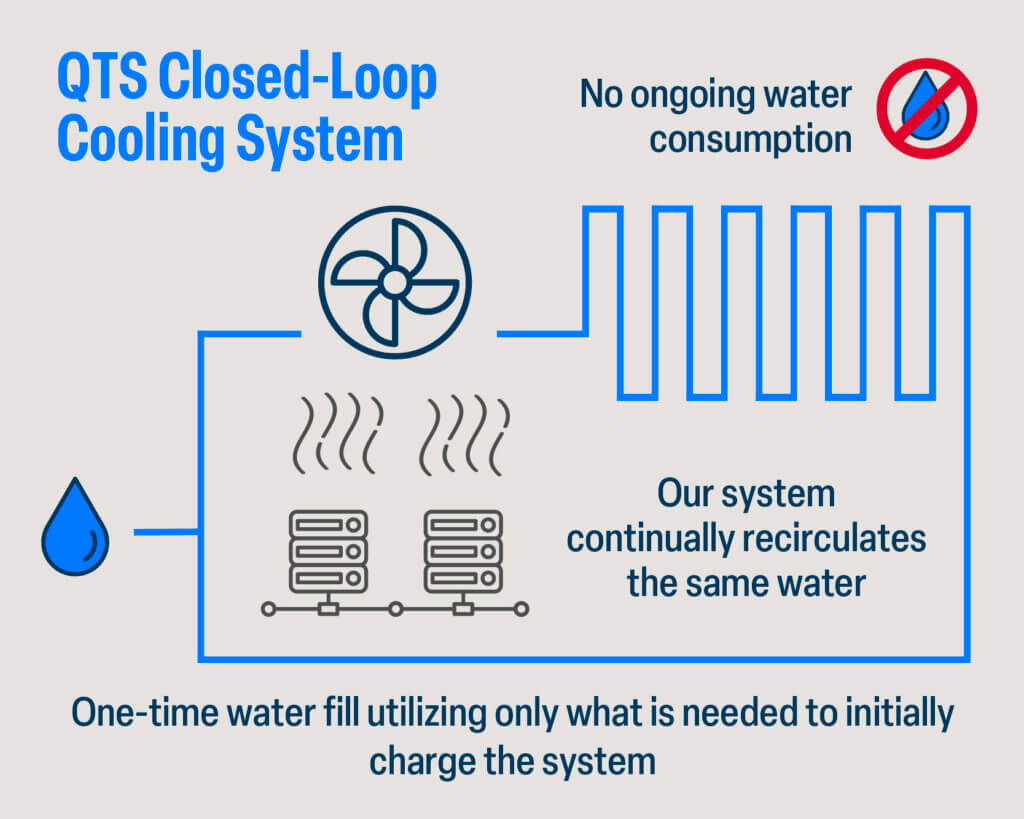
The current design includes a closed-loop cooling system with air-cooled chillers, designed to operate without using ongoing water for cooling under normal conditions.
Once operational, water would be used only for general business needs such as breakrooms, restrooms and landscaping. Water may also be required during construction.
Energy Efficiency
Energy efficiency and heat management are key design considerations, and campus buildings will be designed to meet applicable German regulations and project requirements.
Potential Heat Reuse
QTS is assessing opportunities for future heat reuse where technically and commercially feasible.
Any future heat reuse arrangement would depend on infrastructure, local demand, technical feasibility and commercial agreements. No final solution has been confirmed.
Environmental Assessment
Environmental studies will be completed through the planning and permitting process to assess impacts and inform the project design.
Required mitigation measures will be identified through assessment and approval processes and incorporated into the design.
Protecting Nature Through Reforestation
Since 2019, QTS has planted nearly 400,000 trees through reforestation initiatives designed to support healthy forests, enhance wildlife habitat and strengthen local ecosystems. By aiming to plant more trees than we clear, we help support cleaner air, healthier habitats and a more resilient natural environment for future generations.
Managing Noise and Protecting Natural Habitats
QTS carefully considers noise levels and surrounding habitats throughout the planning and design process. In addition to meeting all applicable local noise requirements and ordinances, we work to ensure our campuses coexist responsibly with nearby wildlife, natural resources and neighboring properties.
Learn more
Community Engagement
Meaningful engagement is an important part of the project development process and reflects QTS’s broader commitment to the places where we work and live.
QTS is committed to helping residents, businesses, community organizations and stakeholders learn more, share feedback and ask questions as the project advances.
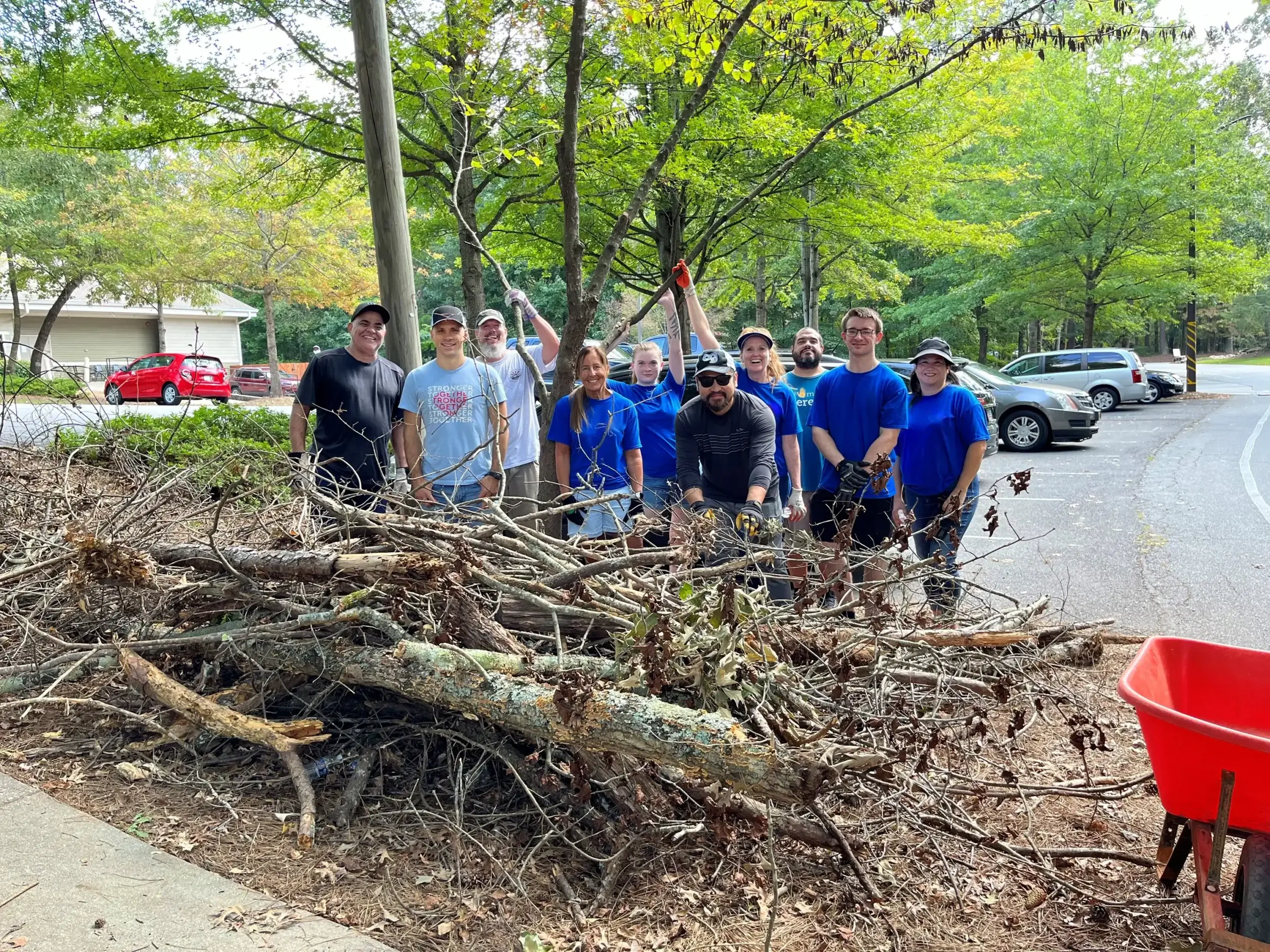
That commitment also extends beyond the project. QTS employees volunteer, give back and support local needs, with every employee receiving four paid volunteer days each year to help strengthen the communities around them.
A data center is a purpose-built facility that stores large amounts of digital data. This data—and the applications used to create, process, and share it—is housed in servers. Data centers are critical infrastructure that support businesses, governments, and everyday digital services.
How are sites selected for data centers?
Site selection considers factors such as access to reliable power, strong connectivity, and a skilled workforce. Existing infrastructure is also important, as it can help minimize environmental and community disruption while supporting efficient development.
What do data centers look like, and how are neighborhood views protected?
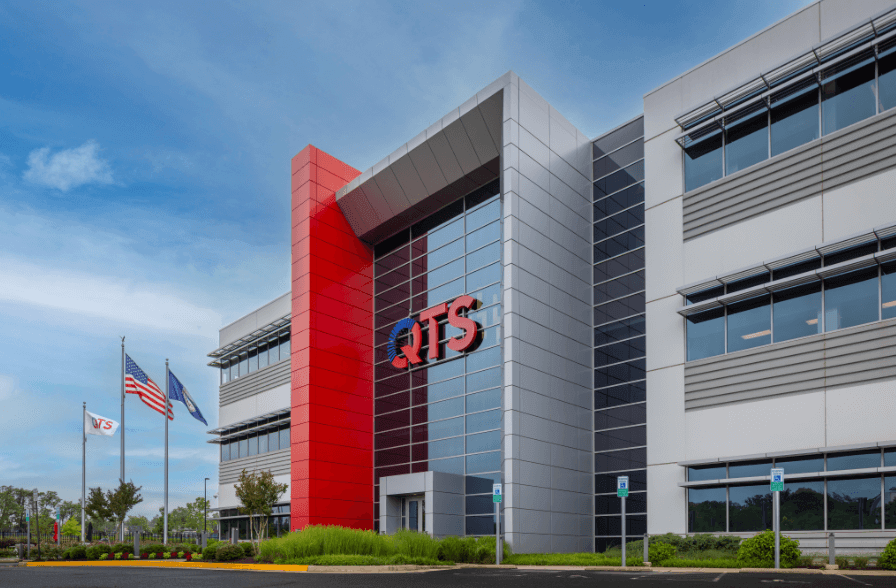
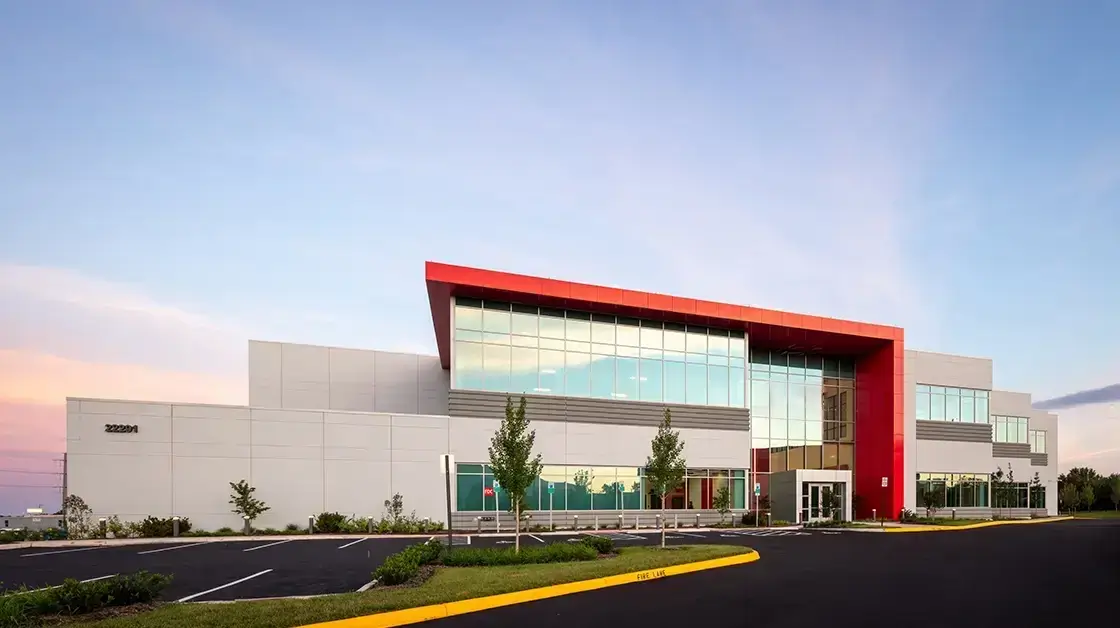
Data centers are designed to align with local standards and fit within the surrounding community. Developers typically work with local officials to ensure the design reflects community expectations.
Efforts to minimize visual impact often include building setbacks, landscaping, berms, and screening to reduce visibility of equipment.
How do data center projects support the local economy?
Data centers can bring significant economic investment to a community. They support local growth through construction activity, long-term jobs, and increased tax revenue.
How much energy do data centers use?
Data centers require significant power, but projects are developed in coordination with utilities and regulators to ensure reliable service for the surrounding community. Facilities must meet all planning and infrastructure requirements before moving forward.
How much water do data centers use?
Many modern data centers use closed-loop cooling systems that do not continuously consume water once operational.
Water use is generally limited to standard building needs such as restrooms, kitchens, and landscaping—similar to other commercial facilities.
Initial system setup may require a one-time water fill, though the total amount depends on the design and size of the facility
Connect with QTS
Your feedback shapes our work. If you live or work in Lippetal, we welcome your perspective and questions at any stage of this process.
We’ve been actively working in the communities of Blyth and Cambois to find out where and how we can best support residents. Community groups and associations we’ve been meeting with include The Tute, Isabella Heap Volunteering Group, Briardale House, Lighthouse Community Hub and St. Andrew’s Church.
The Northumberland County Council and QTS were honored to receive the Economic Development Award at the Local Government Chronicle Awards 2025 in London on June 12th.
As the backbone of today’s economy, our impact extends beyond simply building data centers. We aim to support people and create real change in the communities we serve.
The impact we make goes beyond building data centers. We seek to support people and impact the communities we're a part of. Our partnership with WarmteStad in the Netherlands allows residual heat from our Netherlands Data Centers to be distributed to the community. Learn more about the impact this partnership is making across Europe.