We are committed to being a transparent partner in the communities where we live, work and operate. We’ve compiled the questions we hear most often – covering the topics that matter most like land use, water, energy, jobs and local taxes.
A data center is the physical building and infrastructure that supports every part of our digital lives including healthcare, research, banks, schools, streaming, cloud services and AI. Every time you send an email, check your bank balance or ask AI a question, you’re accessing a data center.
QTS evaluates a range of factors when selecting a location, including access to power, connectivity, a skilled workforce and existing infrastructure that can support a data center.
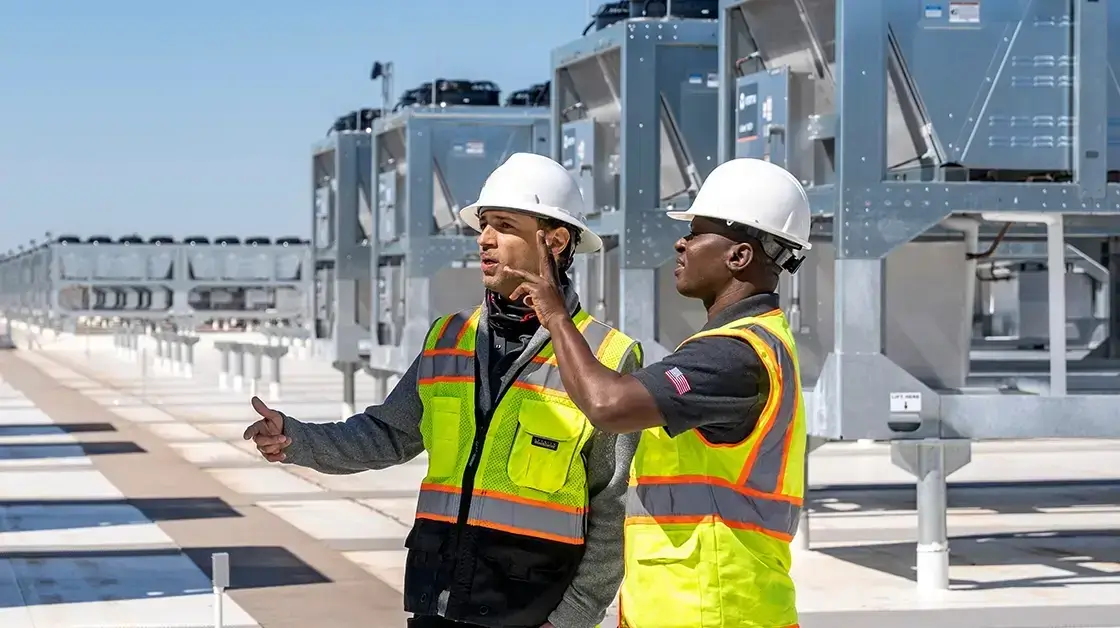
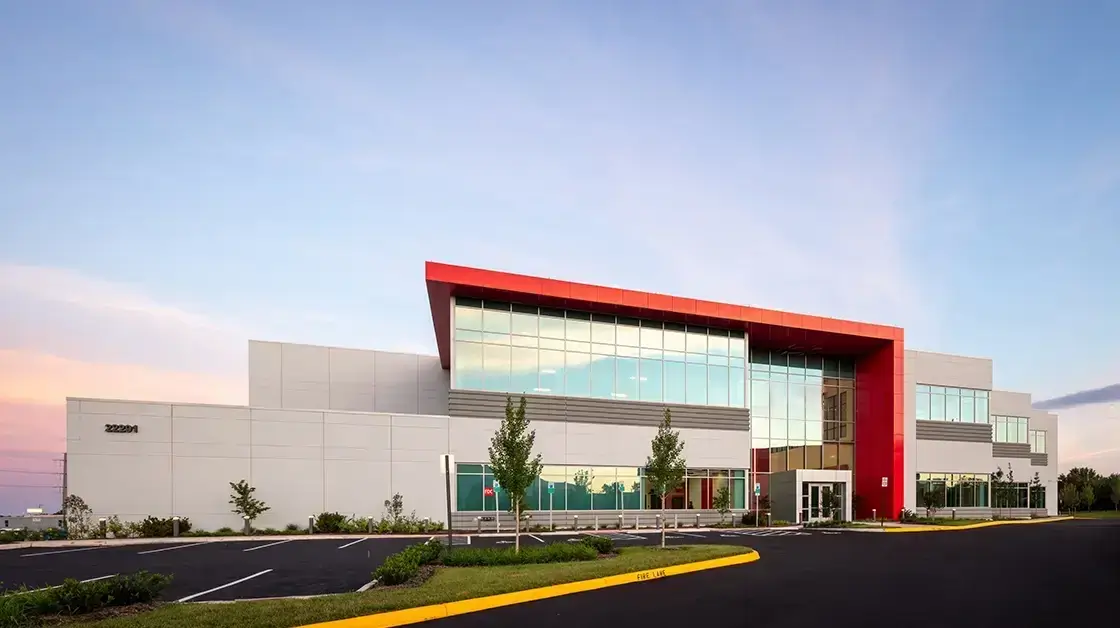
We take pride in constructing buildings with aesthetic appeal in the communities where we operate. We ensure our buildings meet local design standards and are committed to minimizing visual impacts on neighboring properties through substantial buffers and setbacks. We incorporate buffer screens to conceal equipment from view and utilize landscaping techniques such as berms to enhance aesthetics.
Data centers support strong communities. By strengthening local tax bases, funding schools and supporting workforce development, data centers help foster economic stability and long-term community value. QTS data centers generate millions in meaningful tax revenue, helping fund schools, parks, hospitals, roads, first responders and essential community resources.
QTS data centers generate significant local value through an expansive ecosystem of jobs. For every job directly created by a data center, there are four to five other jobs that are supported elsewhere in the U.S. economy, according to a PwC report commissioned by the Data Center Coalition. In 2024, the data center industry supported a total of 5.5 million jobs including direct, indirect and induced employment. In 2026, QTS will create 40,000 high-paying jobs in the U.S. We aim to hire talent from local communities.
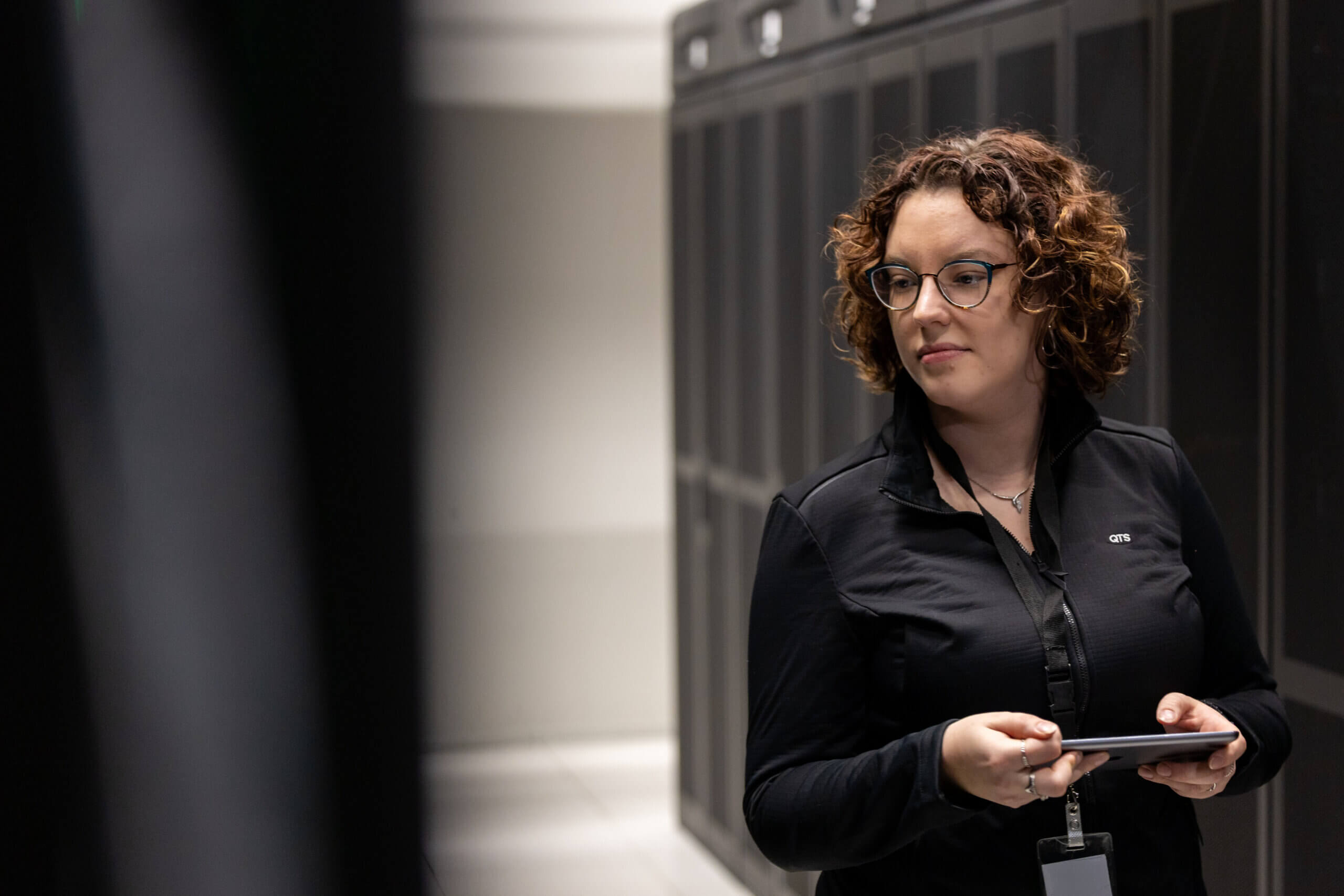
The ecosystem of jobs includes employees of QTS and our tenants, as well as local construction workers, contractors and suppliers, including electrical, mechanical, security, maintenance and technology services.
QTS prioritizes local hiring wherever possible. QTS partners with local contractors and suppliers who share our expectations for safety, quality and environmental stewardship. We invest directly in building local talent pipelines through our workforce development programs that create pathways into high-quality technology careers and empower the surrounding community.
Research shows data centers can support long-term residential property values by strengthening local tax bases and improving school quality. Data centers contribute millions of dollars each year in local property tax revenue while placing no additional demand on public schools. This can create what researchers call a “School Premium” effect – a fiscal surplus that allows communities to invest more in schools without raising residential taxes. In many communities, data center tax revenue has also helped stabilize or reduce residential tax rates, further supporting homeowner affordability and long-term value.
During active construction, water demand is required for standard activities such as concrete work, dust control and site preparation. This type of use is temporary and declines significantly once buildings are completed. Once operational, QTS data centers are built with a closed-loop cooling system that does not consume water for cooling. Then, QTS facilities only use water for irrigation, landscaping and domestic needs such as bathrooms and kitchen, which is roughly equivalent to the monthly use of less than five American households for a typical building.
QTS is focused on a long-term path to accessing clean energy, with the aspiration of a clean energy future. In 2024, QTS achieved full utilization of carbon-free operational electricity across our facilities. We partner with utility companies to identify innovative and sustainable ways to best serve communities and the environment.
QTS facilities are designed to operate within the existing planning, regulatory and utility requirements for the area. We work directly with local utilities to ensure that our power needs do not impact the reliability of service for homes or businesses and the surrounding areas. While we don’t disclose specific power capacity for security and confidentiality reasons, our projects go through all the appropriate reviews, and the local utility confirms reliability long before we break ground.
QTS pays for the energy costs of our data centers so they do not increase local utility bills. We coordinate early with utility companies and secure long-term power agreements, ensuring supportive grid planning and sufficient power capacity.
Generators are used only for limited testing, maintenance and emergency events, similar to hospital backup generators. They do not continuously run and are not used for ongoing data center operations. Our diesel storage tanks are double-walled and equipped with leak monitoring and containment systems to ensure environmental protection. Additionally, our generators are equipped with high-efficiency filters to protect air quality and reduce emissions to keep the community safe in the limited cases that backup generators are needed.
A common misconception is that living near a data center poses increased health risks due to radiation. All buildings, regardless of usage and occupancy, emit electromagnetic radiation. In fact, data centers emit levels of electromagnetic radiation comparable to those of standard commercial or residential buildings. Extensive research shows no evidence that exposure to low-level electromagnetic fields is harmful to health.
QTS completes an acoustic analysis for our facilities to ensure that we comply with the proposed decibel thresholds and all local, state and federal noise emission regulations. Our data centers are designed not to exceed permissible noise levels, and we implement a variety of sound mitigation strategies, including equipment enclosures, sound barriers, strategic grading and site plans fit for each development.
QTS data centers are constructed to meet or exceed green building standards, which includes responsible design. Our lighting plans meet all local and state code requirements and are designed to mitigate any impact on wildlife and natural areas by implementing special lighting techniques. We also use covered directional lighting pointed downward to reduce light pollution, lower wattage and brightness levels, utilize motion sensors and automatic systems to avoid unnecessary lighting and leverage landscaping to minimize light impact.
As critical infrastructure, QTS data centers control access through secure, gated entry points using badge access, high-security fencing, biometric systems and on-site security personnel measures to protect both the facility and the data it holds.
Data centers are built for long-term use and are designed to evolve with technology. While the physical structure remains durable and well-maintained, the internal systems (servers, cooling, electrical) are upgraded to keep pace with innovation and efficiency standards. The QTS approach is modular and scalable, meaning we can integrate new technologies without major reconstruction. This ensures the facility stays operational for decades.
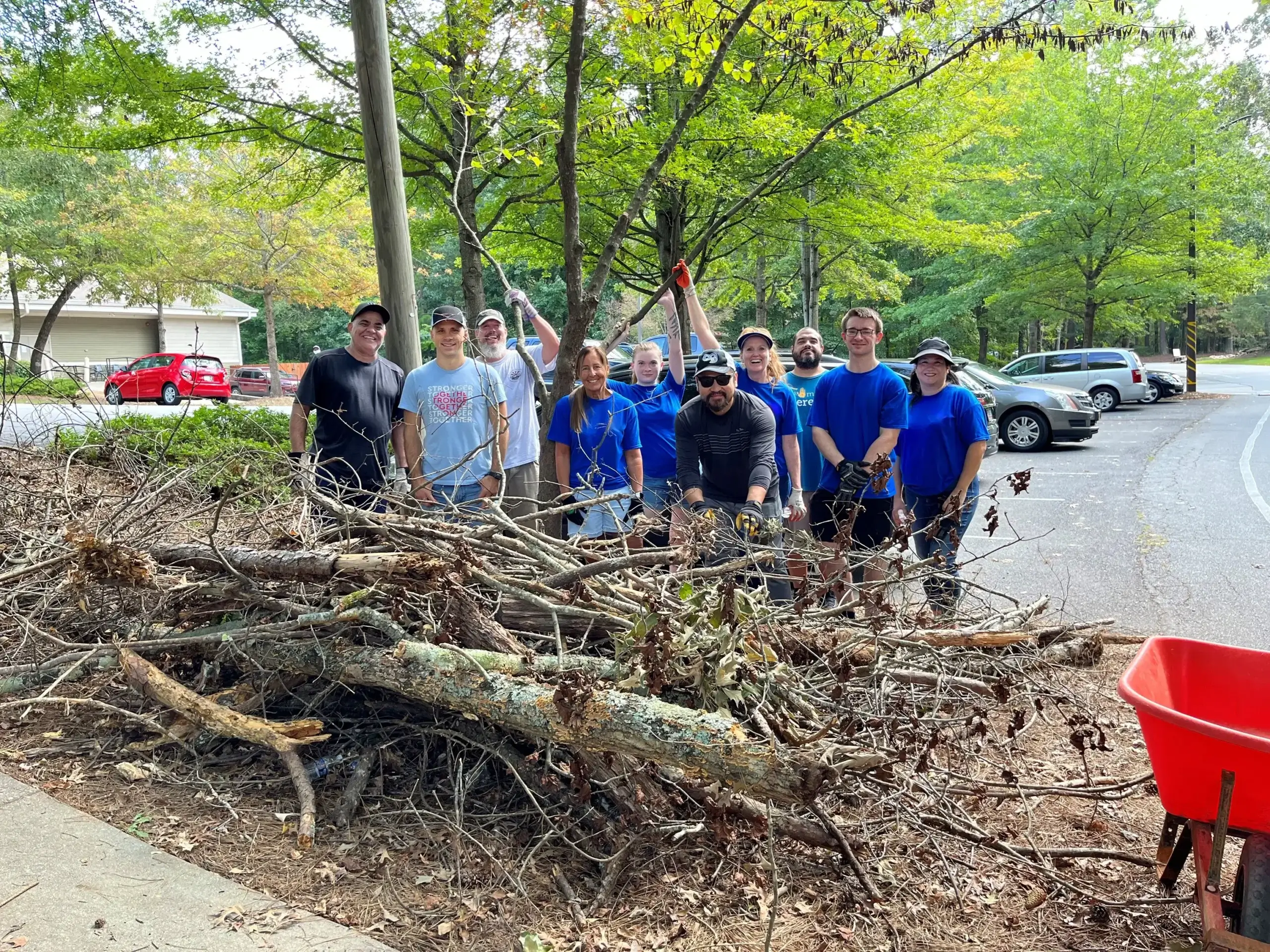
QTS is committed to transparently keep everyone informed, answer questions and encourage local involvement. We understand that these projects raise important questions and concerns. Residents can reach us anytime via [email protected], our website comment form or at upcoming community events.
These projects raise real questions, and we take them seriously. Reach us anytime — or come say hello at an upcoming community event.