


In your community

The Good
Neighbor
Standard

Our responsible development and operational principles guide how we build, operate and work alongside our communities for the long term.

Before, during and after

What to expect as a neighbor

One set of commitments, through every milestone.

Before construction

From site selection to the first approval.

Early, fact-based information

We share information on how our projects are planned, built and operated early and often.

Town halls and listening sessions

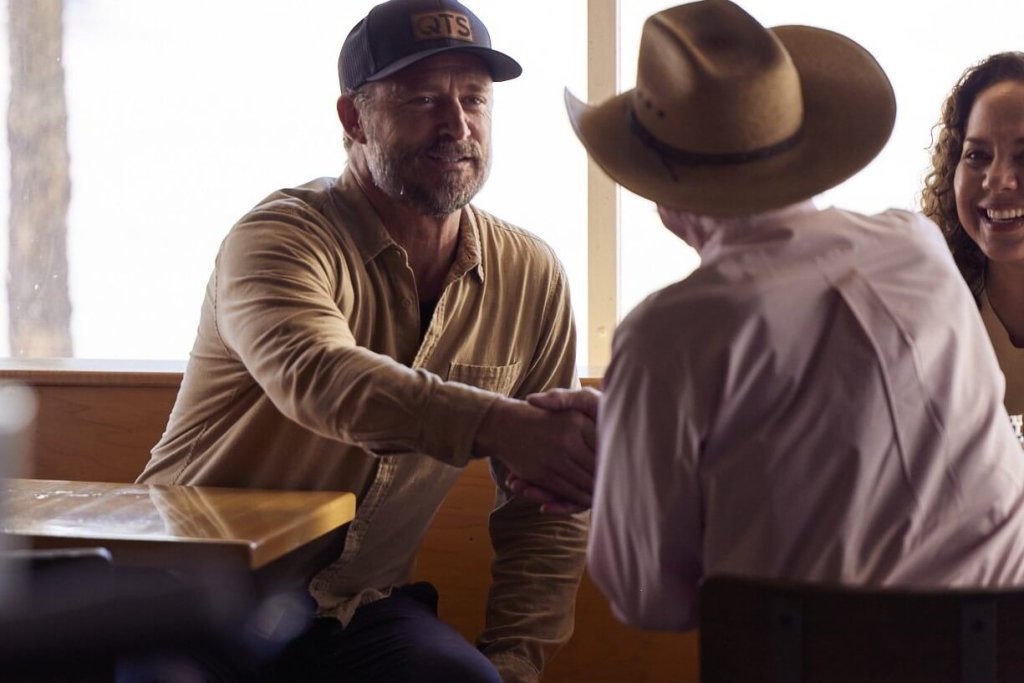
We engage with local leaders and residents to better understand community needs. 

A designated community representative

Our community representatives act as consistent point of contact throughout development and operations.

Community benefit agreements

When appropriate, we work with local stakeholders to establish community commitments that reflect local needs and priorities.

Early involvement ahead of construction

From the start, we engage with communities to understand local priorities and identify meaningful ways we can contribute.

Property tax contributions

We create lasting community value through meaningful investment, job creation, and long-term property tax contributions that support local priorities.

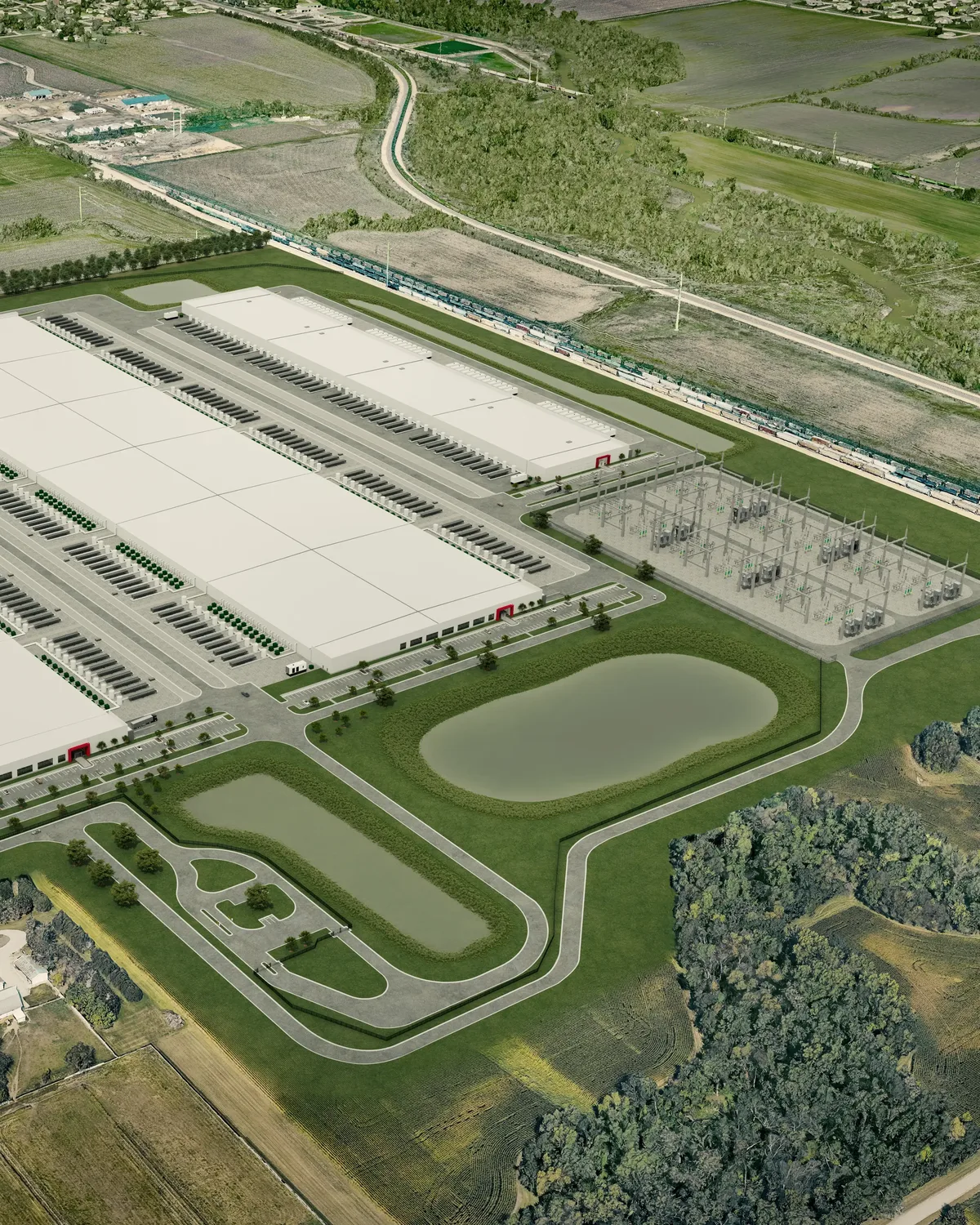
Thoughtful land use

We work with land owners and, where possible, prioritize previously disturbed, brownfield and remediated sites. We aim to develop responsibly while respecting the unique character of each community.

Environmental protection

We start our projects with careful site selection and close collaboration with environmental experts and regulators.

During construction

From groundbreaking to the day we open.

Traffic and construction management

We use designated routes, site-access plans and clear contractor expectations, while coordinating closely with local officials to help minimize disruption. We also invest in infrastructure improvements such as roads, sidewalks and signage when needed.

Noise mitigation

We use thoughtful site design, sound attenuation, setbacks, buffers and ongoing monitoring to help reduce noise impacts.

Visual-impact reduction

We incorporate shielded lighting, landscaping, screening and other design elements that reflect local requirements and community character.

Natural resource protection

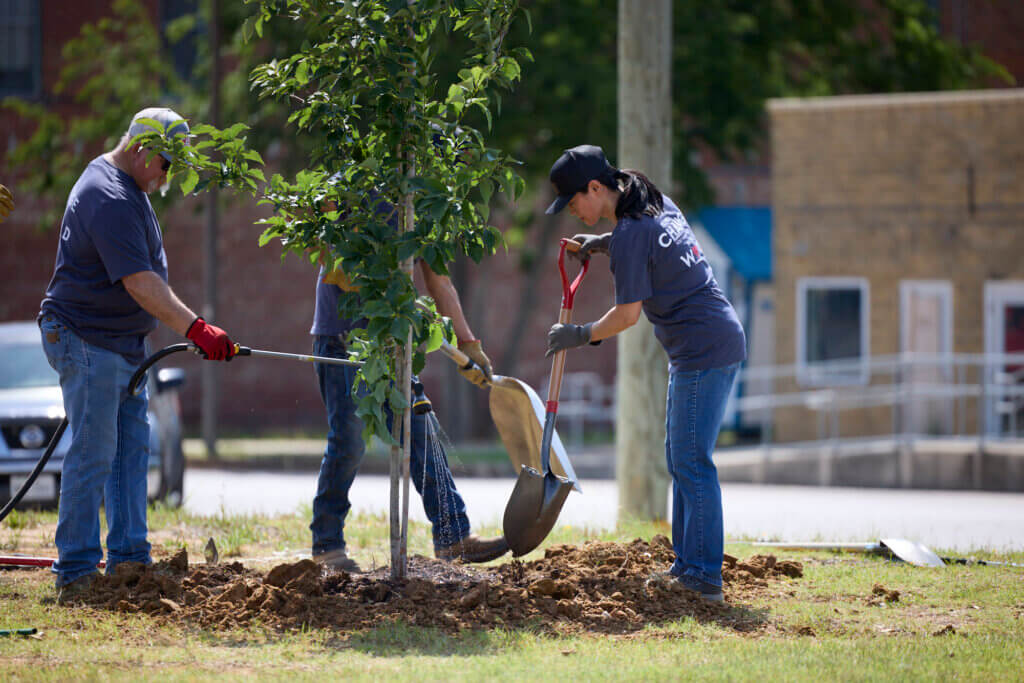
We aim to preserve as many trees as possible and typically replace more trees than we remove. 

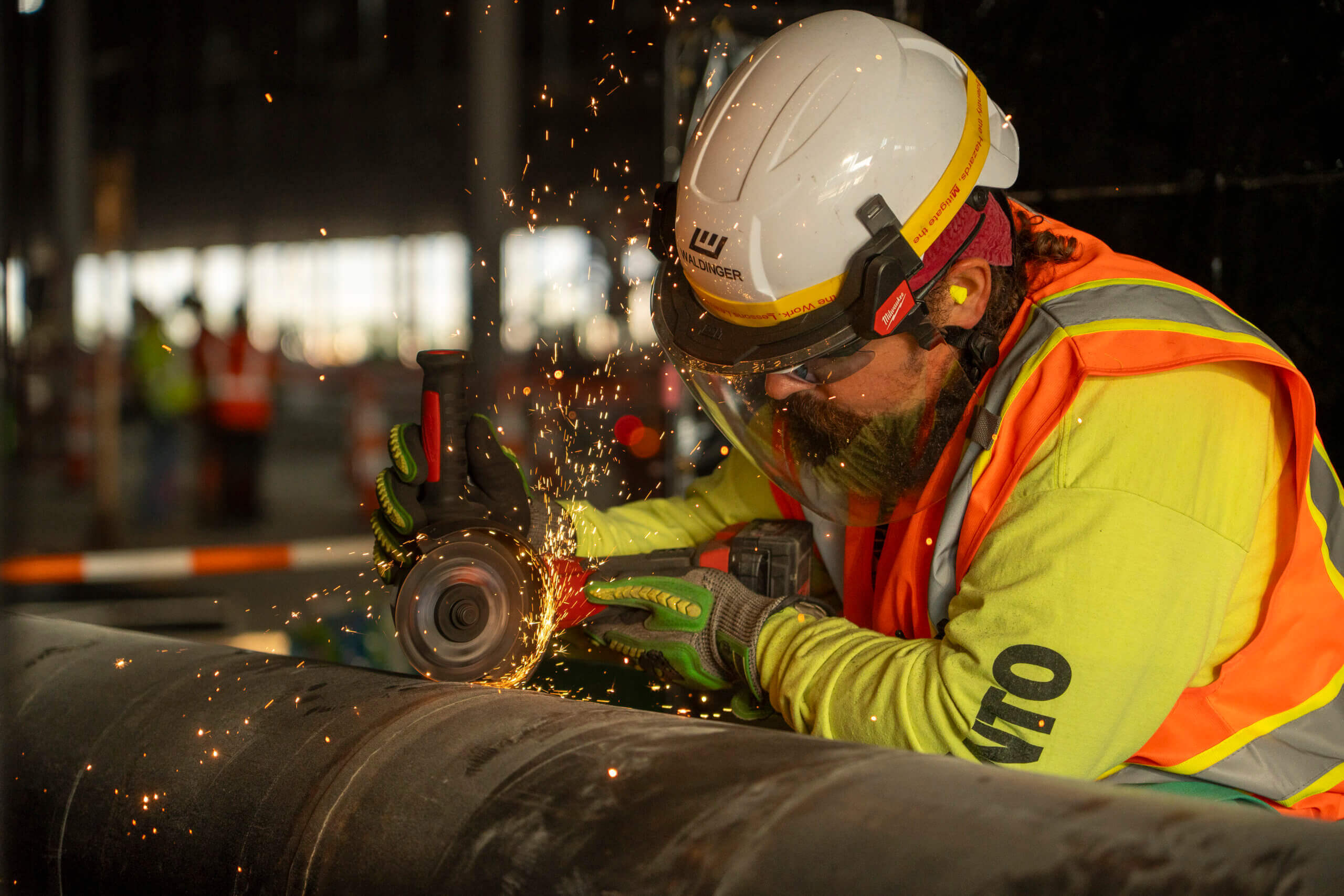
Contractor and supplier standards

We hold our contractors and suppliers to high standards for safety, quality, conduct and environmental stewardship.

Sustainable building practices

We design every new facility to meet Green Building Standards and pursue and ENERGY STAR certifications where eligible.

Once operational

For as long as we operate here.

A consistent point of contact

Our community representatives act as a consistent point of contact through operations.

Noise monitoring and buffers

We incorporate thoughtful site planning, natural buffers and ongoing monitoring to help minimize impacts on surrounding communities.

One-site generators

Backup generators are operated only during emergency events and for activities necessary to ensure reliability, such as commissioning, inspection, maintenance and periodic testing. Generator operation is conducted in accordance with applicable environmental permits and regulatory requirements designed to protect air quality.

Closed-loop cooling

Once operational, no water is consumed to cool the data halls, at every new data center commissioned since 2019.

The full cost of energy

We fund the project-specific improvements we require and pay the full cost of the energy our facilities consume.

Emergency planning with first responders

We engage in emergency response planning, security, fire and life-safety systems, training and ongoing communication with local agencies.

Transparency

We release an annual Sustainability Report, with disclosures aligned to leading frameworks and independent assurance over select indicators.

Service and volunteering

QTS employees contribute tens of thousands of volunteer hours in support of schools, veterans organizations, nonprofits and workforce initiatives.

From site selection to the first approval.

Early, fact-based information

We share information on how our projects are planned, built and operated early and often.

Town halls and listening sessions

We engage with local leaders and residents to better understand community needs. 

A designated community representative

Our community representatives act as consistent point of contact throughout development and operations.

Community benefit agreements

When appropriate, we work with local stakeholders to establish community commitments that reflect local needs and priorities.

Early involvement ahead of construction

From the start, we engage with communities to understand local priorities and identify meaningful ways we can contribute.

Property tax contributions

We create lasting community value through meaningful investment, job creation, and long-term property tax contributions that support local priorities.

Thoughtful land use

We work with land owners and, where possible, prioritize previously disturbed, brownfield and remediated sites. We aim to develop responsibly while respecting the unique character of each community.

Environmental protection

We start our projects with careful site selection and close collaboration with environmental experts and regulators.

From groundbreaking to the day we open.

Traffic and construction management

We use designated routes, site-access plans and clear contractor expectations, while coordinating closely with local officials to help minimize disruption. We also invest in infrastructure improvements such as roads, sidewalks and signage when needed.

Noise mitigation

We use thoughtful site design, sound attenuation, setbacks, buffers and ongoing monitoring to help reduce noise impacts.

Visual-impact reduction

We incorporate shielded lighting, landscaping, screening and other design elements that reflect local requirements and community character.

Natural resource protection

We aim to preserve as many trees as possible and typically replace more trees than we remove. 

Contractor and supplier standards

We hold our contractors and suppliers to high standards for safety, quality, conduct and environmental stewardship.

Sustainable building practices

We design every new facility to meet Green Building Standards and pursue and ENERGY STAR certifications where eligible.

For as long as we operate here.

A consistent point of contact

Our community representatives act as a consistent point of contact through operations.

Noise monitoring and buffers

We incorporate thoughtful site planning, natural buffers and ongoing monitoring to help minimize impacts on surrounding communities.

One-site generators

Backup generators are operated only during emergency events and for activities necessary to ensure reliability, such as commissioning, inspection, maintenance and periodic testing. Generator operation is conducted in accordance with applicable environmental permits and regulatory requirements designed to protect air quality.

Closed-loop cooling

Once operational, no water is consumed to cool the data halls, at every new data center commissioned since 2019.

The full cost of energy

We fund the project-specific improvements we require and pay the full cost of the energy our facilities consume.

Emergency planning with first responders

We engage in emergency response planning, security, fire and life-safety systems, training and ongoing communication with local agencies.

Transparency

We release an annual Sustainability Report, with disclosures aligned to leading frameworks and independent assurance over select indicators.

Service and volunteering

QTS employees contribute tens of thousands of volunteer hours in support of schools, veterans organizations, nonprofits and workforce initiatives.

The standards

Seven areas.
One standard.

Every community and project is unique. The standards are consistent, so that every data center is responsibly planned, thoughtfully integrated and built for long-term success.

Communities deserve early, fact-based information about how projects are planned, built and operated. QTS engages early and often, holds town halls and listening sessions, maintains open dialogue with local leaders and residents and designates community representatives who provide consistent points of contact throughout development and operations. Open reporting, including an annual Sustainability Report aligned with leading frameworks, helps communities follow commitments, resource use and progress over time.

QTS works with communities to establish local commitments and investment opportunities that support priorities such as schools, infrastructure, workforce development, public safety, and other community initiatives. Depending on the community and project, these commitments may be supported through community benefit agreements, financial partnerships, or other funding mechanisms that can help deliver community benefits earlier in the development process while creating long-term economic value through ongoing tax revenue and investment.

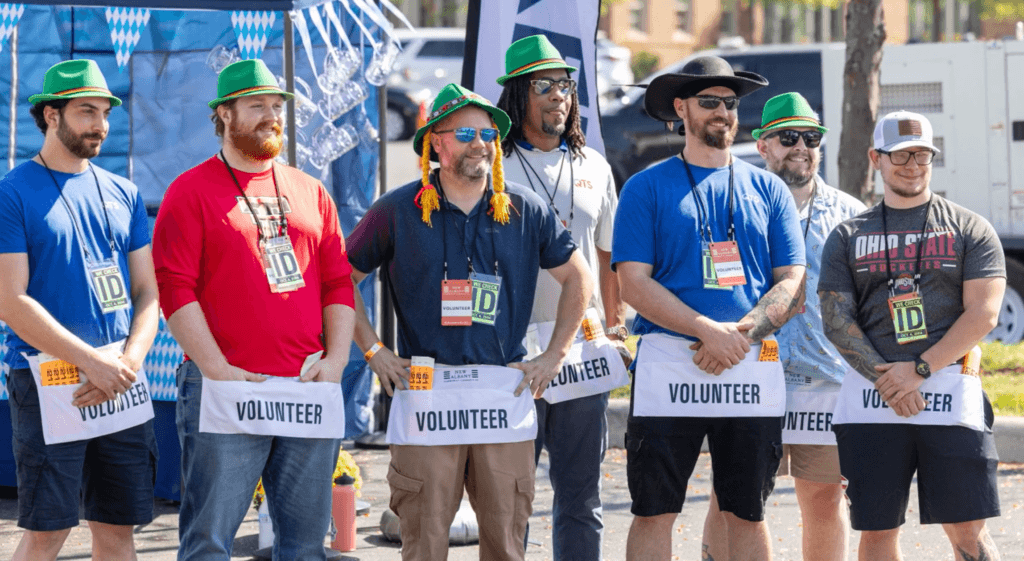
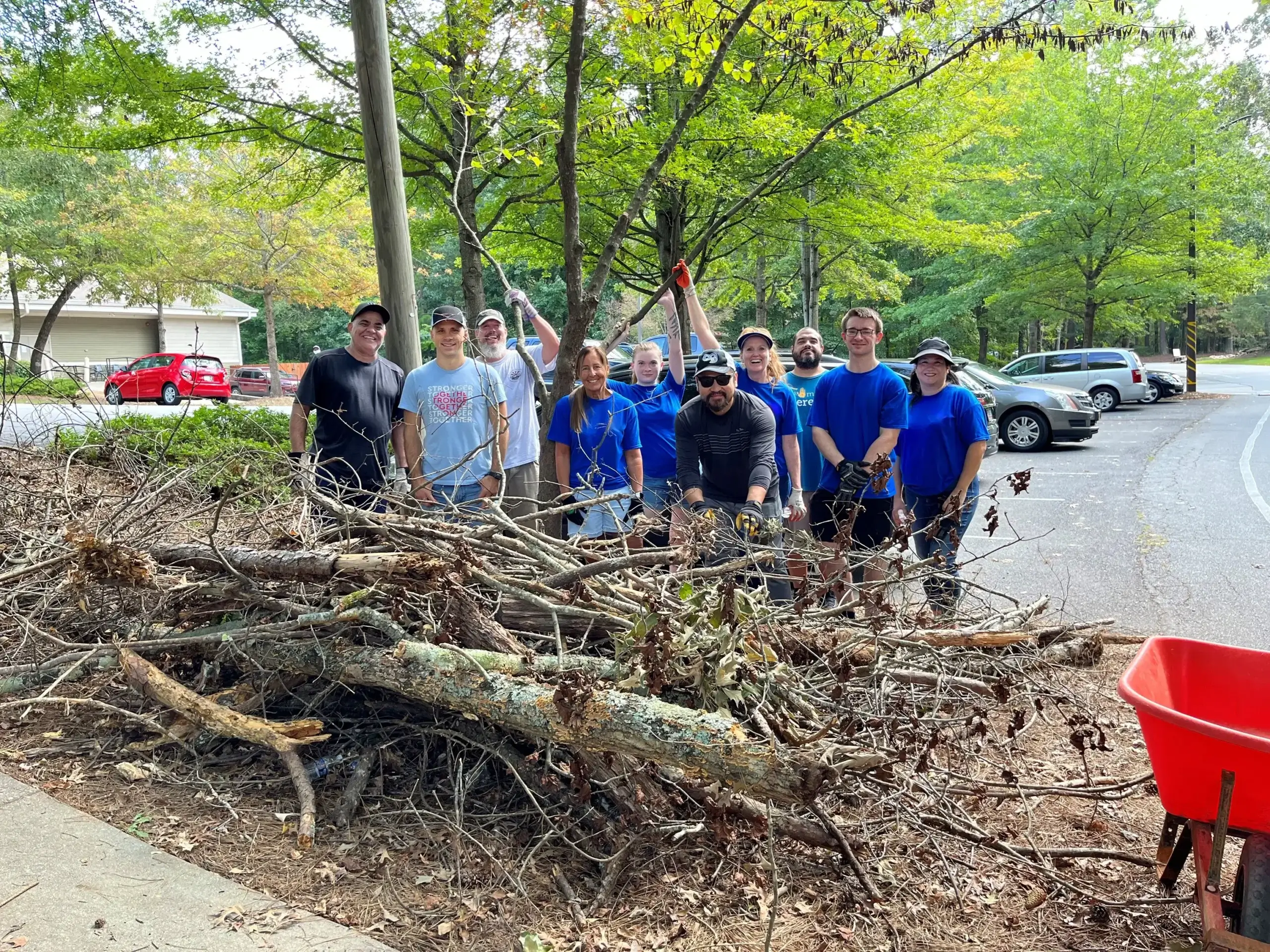
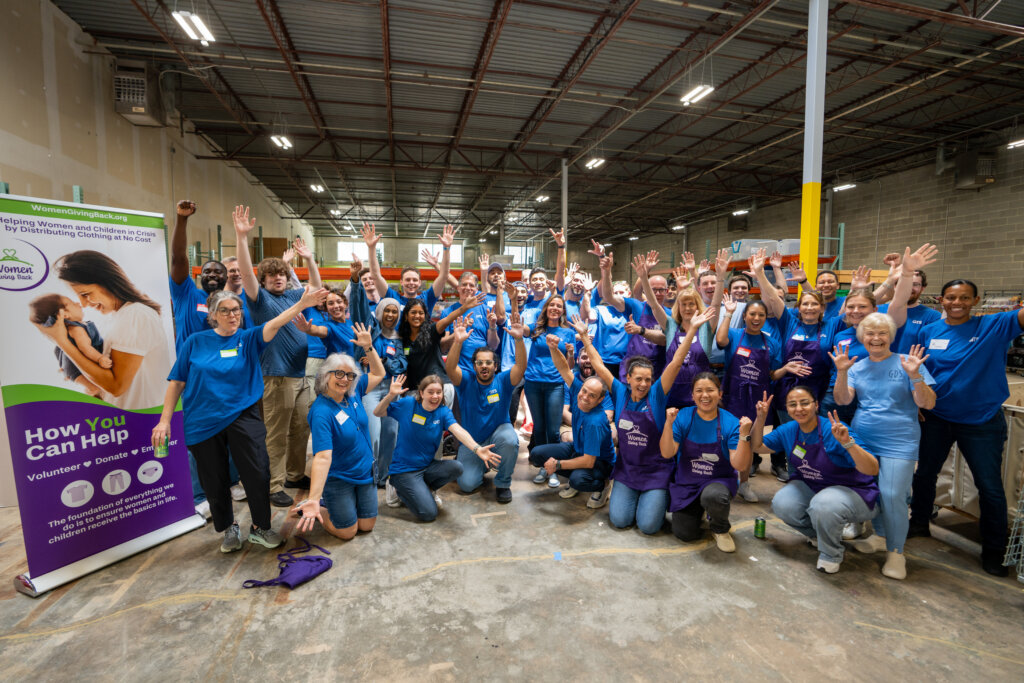
QTS asks where we can help, how we can help and who we can help. We support schools, veterans organizations, nonprofits and workforce initiatives through corporate giving, grants, sponsorships, employee expertise and hands-on service, and every employee is provided four paid volunteer days each year.

Since 2019, every new QTS data center has used a closed-loop cooling system that does not consume water to cool data halls once operational. We also invest in water conservation, replenishment and infrastructure projects. QTS funds the energy infrastructure needed to support our projects and works with utilities to plan for reliable, affordable, and increasingly carbon-free energy.

Our new data center buildings are designed to Green Building Standards with environmentally sensitive design, materials and construction methods. We preserves the natural character of sites, leaves as many trees undisturbed as possible and replaces more than are cleared, and follows consistent standards for noise mitigation, visual impact, traffic and construction management, environmental protection, thoughtful land use that avoids eminent domain, and long-term durability.

Contractors and suppliers are expected to meet QTS’s high standards for safety, quality, conduct and environmental stewardship. QTS coordinates with first responders, emergency management professionals and local agencies on emergency response planning, security, fire and life-safety systems, training and ongoing communication. Backup generators are used only for testing, maintenance and emergency situations, with environmental protections and emissions controls.

For more than 20 years, QTS has operated data centers reliably and responsibly, helping power the digital services people use every day. Our facilities are designed with careful attention to their surroundings and the people who live nearby, so we can be a dependable neighbor and community partner for decades to come.

Our pledge

$1 billion
for water.

We created this pledge to help support water infrastructure improvements, conservation projects and watershed restoration in the communities that QTS calls home.

Find your community

See the Good Neighbor
Standard near you.

Explore more stories →
Contact

Have a question about a project near you?

QTS designates community representatives who provide a consistent point of contact throughout development and operations. Send a question, a concern, or a request to meet, and the community engagement team will route it to the right person.

Media inquiries go to [email protected]. For sales and partnerships, use the contact page.

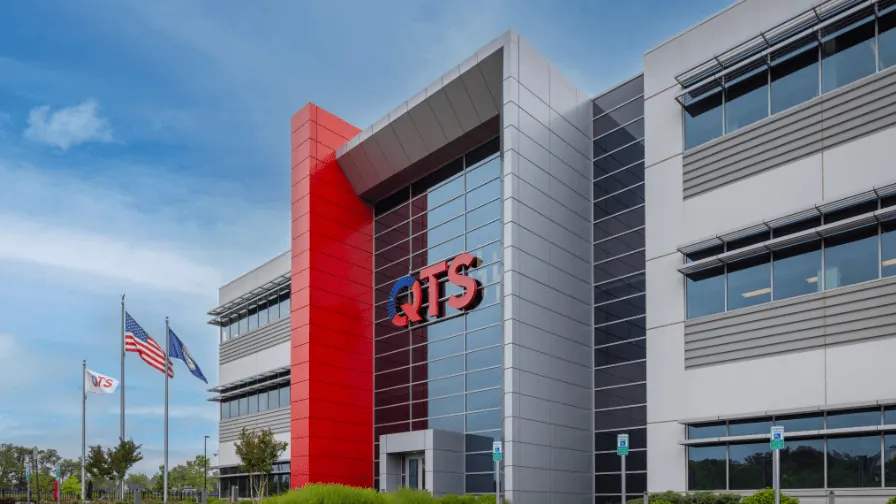
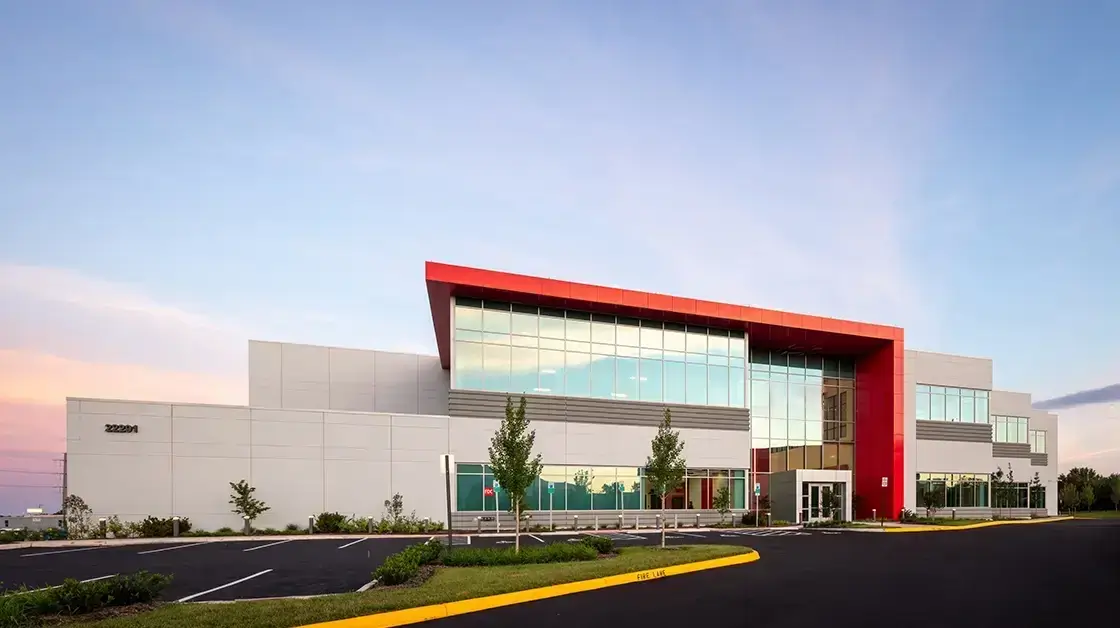
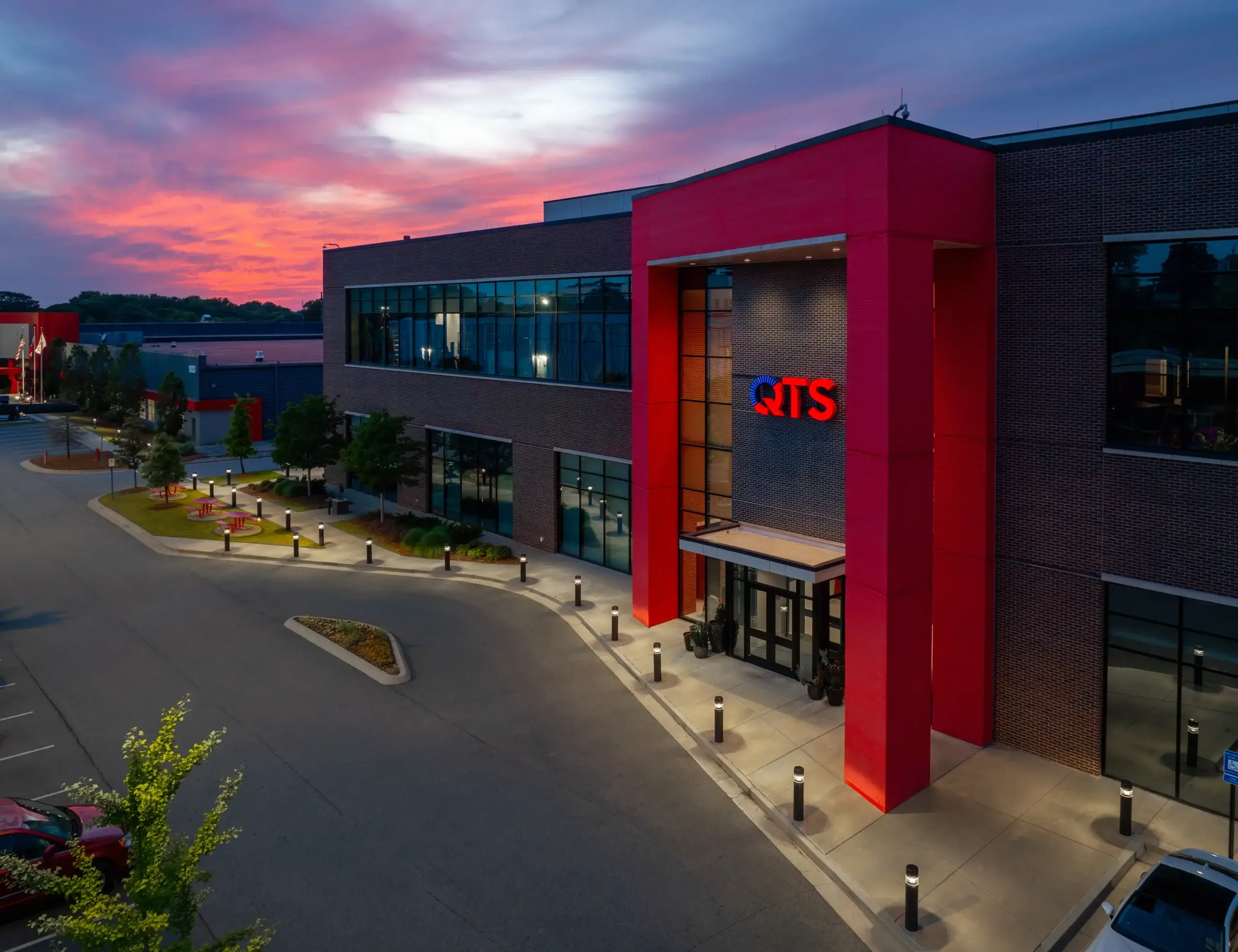
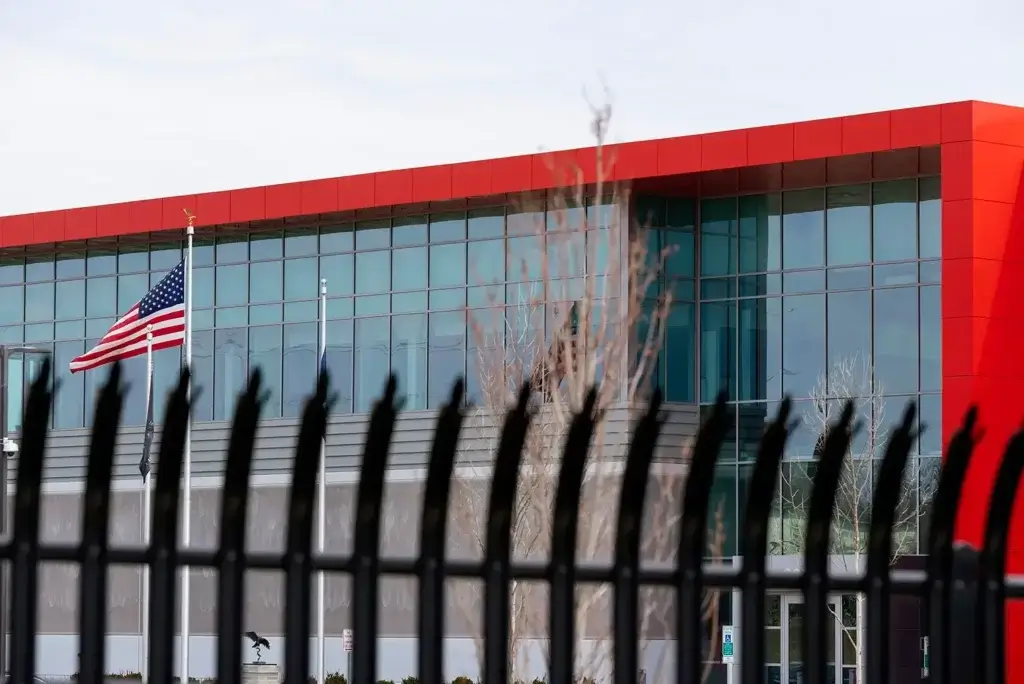
Exterior of a QTS data center facility with QTS signage and flags at the entrance