Data Center Campus
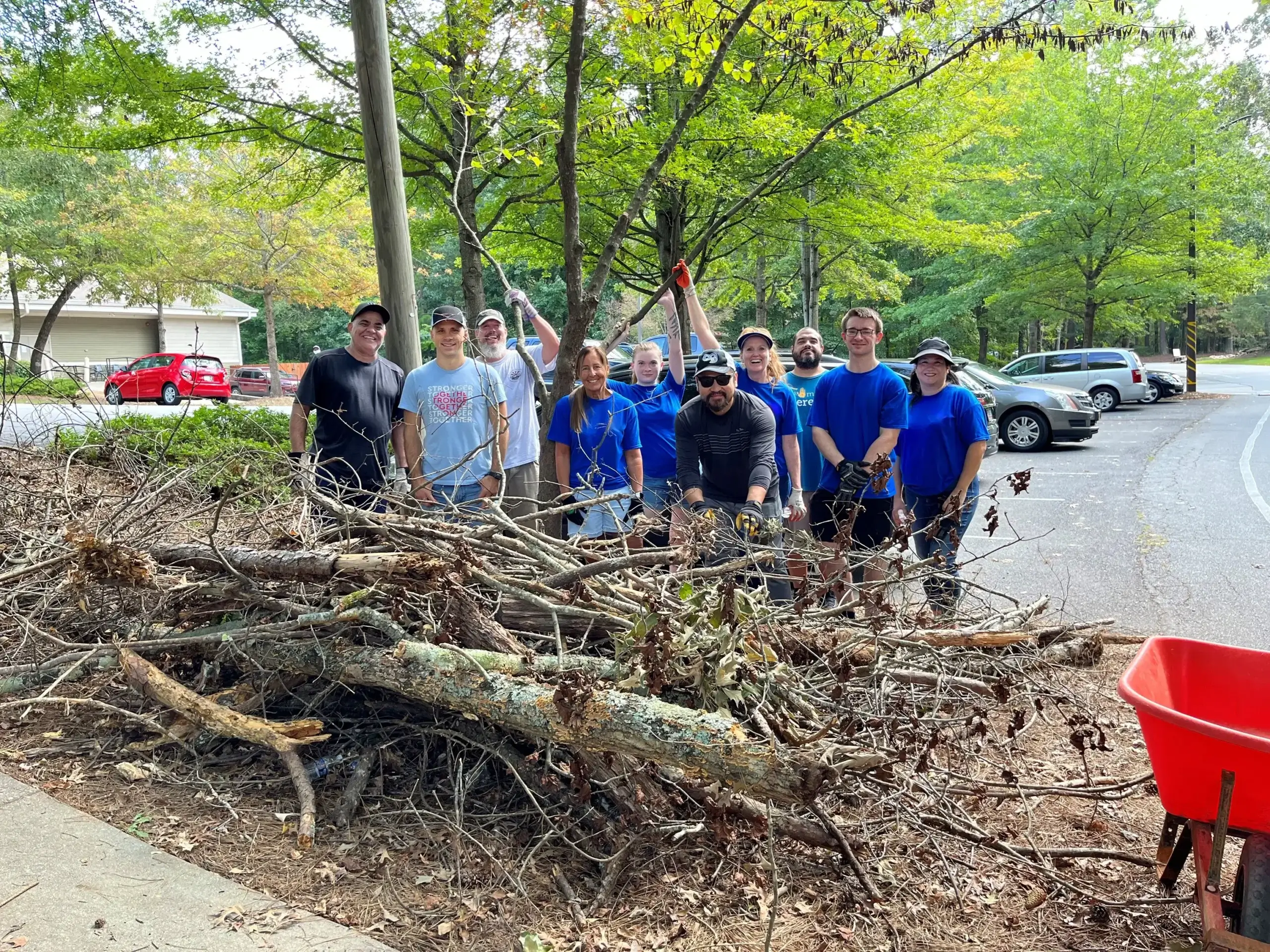
QTS is excited to establish new data center campuses in Augusta, Georgia. We are committed to serving as a responsible and engaged neighbor, supporting economic growth, advancing environmental stewardship and contributing to the ongoing prosperity of Augusta.
Upcoming event
June 24 | 5:30-7:00 p.m.
Location:
Belair Elementary
3925 Harper-Franklin Avenue Augusta, GA 30909
Join us at Belair Elementary School on June 24 from 5:30-7:00 p.m. for a community panel session. The submission period for questions has now closed. We look forward to sharing project updates.
Event Agenda:
WHY QTS
Our role as the digital infrastructure leader goes far beyond building and operating the world’s most advanced data centers. It means staying true to our core values and uplifting the communities in which we live, work and operate.
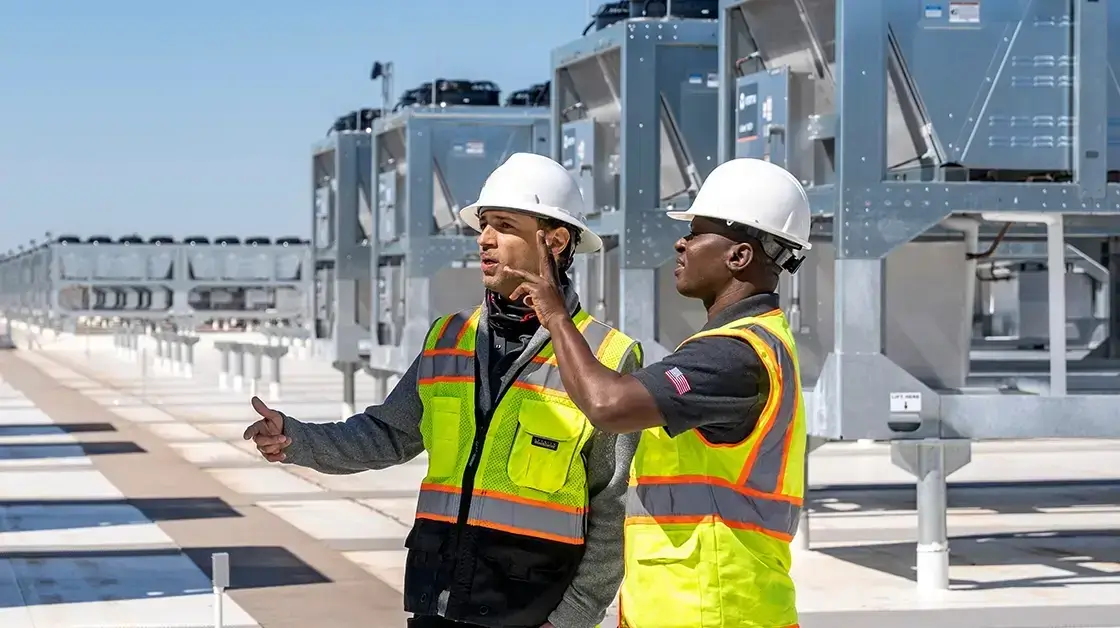
The construction of a data center campus creates hundreds of direct construction jobs. We expect to support high-quality construction and permanent jobs in Augusta.
We’ve established clear goals for reducing our carbon footprint, using a closed-loop cooling system, promoting clean energy and improving stakeholder well-being.
We are dedicated to the residents of Augusta and will work to support local business and protect the environment to meet the needs of the community.

As a conscientious, purpose-driven organization, we listen and engage the community with our best-in-class standards for site development, construction and operations.
We’re proud that more than 20% of our U.S. workforce has served our country. We’re committed to hiring military Veterans and supporting transitioning service members through programs like SkillBridge.
QTS continues to invest in Georgia. Beyond this project, we are building and operating campuses across the state. We are deeply committed to Georgia and its communities and we’re proud to contribute to the continued growth and success of the state. Check out our other Georgia data center campuses.
A data center is a purpose-built building that stores a large amount of digital data. This data – and the applications used to create, process and share it – is housed in servers that reside within the data center. Data centers are vital hubs for businesses, governments and organizations that rely on technology.
There are many factors that QTS considers when looking at locations for data center development. Data centers require access to power, connectivity and a skilled workforce that not everywhere can provide. Another important factor is existing infrastructure and appropriate zoning that can support data center development, both of which this area already has established. Having zoning and infrastructure already in place significantly minimizes environmental and community disruption which is why we considered this site.
We selected this site because it met a number of important criteria, including existing zoning, access to infrastructure, and long‑term planning considerations. Any proposal to develop the property still had to go through the City’s required public review and rezoning process. We recognize that homes are located nearby, which is why the project is subject to zoning conditions, buffers, setbacks, and design standards intended to manage compatibility with surrounding neighborhoods. Those requirements were reviewed publicly and approved by the City, and we are obligated to meet them as the project moves forward.
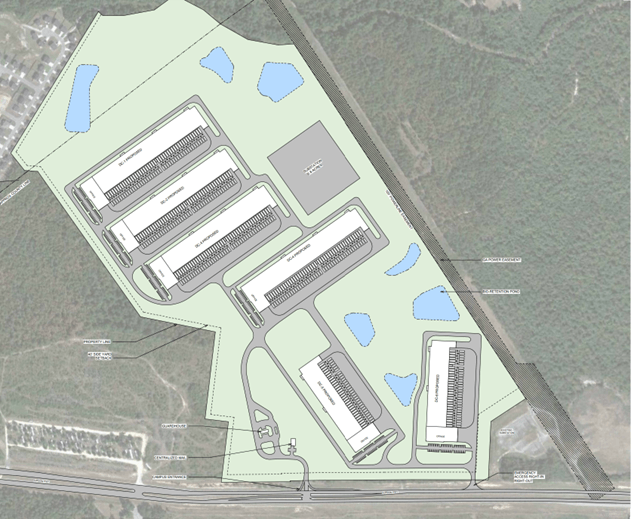
QTS Data Centers is investing in the future of Richmond County with a data center campus in Augusta. The project will include six buildings, constructed over several phases, with the first building expected to be completed in spring 2028.
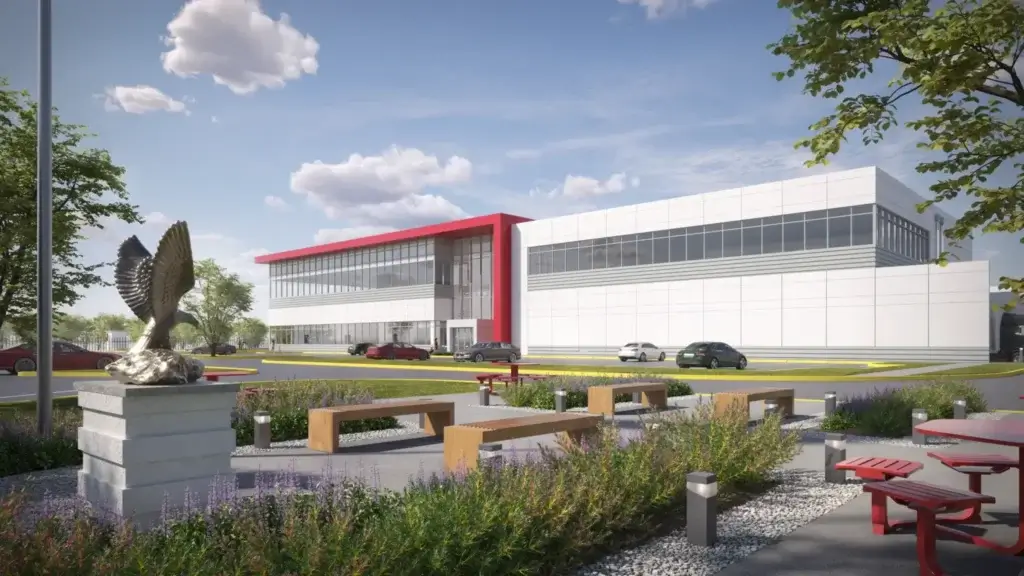
An initial site plan is pictured below. Please note, the rendering below is for concept only. The designs are not final as we are still in early planning stages.
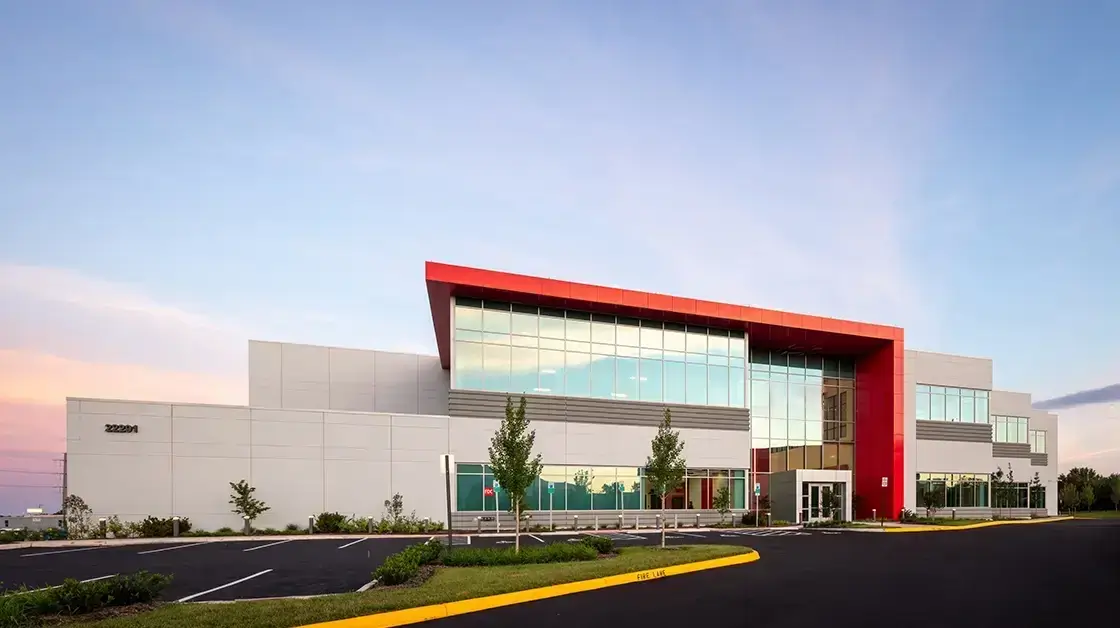
We take pride in constructing buildings with aesthetic appeal in the communities where we operate. We have a track record of working with local communities to ensure our buildings meet local design standards.
Although we are still in the early planning stages, we plan to minimize visual impacts on neighboring properties through substantial buffers and setbacks. We will incorporate buffer screens to conceal equipment from view and utilize landscaping techniques such as berms to enhance aesthetics.
Over the past several years, the City has already taken action on zoning for this property, beginning with an initial application in 2022 and followed by additional zoning approvals in 2024 and 2025 that expanded the acreage eligible for development and set specific conditions that must be followed. Those zoning decisions establish what may be built on the site, but they do not approve buildings themselves. The project is now in the site plan phase, which means detailed plans showing building locations, sizes, roads, parking, stormwater systems, and buffers are still under review and must be approved by the City before any buildings can move forward. Limited early work, such as removal of previously placed inert material and preliminary grading, has occurred or is under review, consistent with the zoning conditions. Additional City approvals and state permits are still required as the project advances, and final decisions on site layout and development phasing rest with the City through its normal review and approval process.
The campus is planned to be built in phases, with construction expected to occur over several years rather than all at once. While the exact timing will depend on approvals and market needs, the current expectation is that buildings would be delivered incrementally, roughly about one building at a time, rather than six at once. With respect to property values, development on this site must comply with zoning conditions, buffers, setbacks, and design standards intended to limit impacts on surrounding neighborhoods. Property values are influenced by many factors beyond a single project, and the City’s review process is designed to consider compatibility with nearby uses before approving each phase of development.
We understand that traffic is already a concern in this area, which is why traffic impacts are reviewed as part of the City’s approval process. Data centers generate significantly less day‑to‑day traffic than many other types of development because they do not have customers, retail activity, or constant deliveries. Once operational, traffic is largely limited to employees and occasional service vehicles. Any required traffic improvements or signal changes are identified through the City’s engineering review and must be addressed before or as development moves forward.
Public notice for the rezoning followed the City’s established requirements, which include posting rezoning signs on the property and publishing notices through official channels before public hearings. The rezoning signs were placed on site by City staff, were clearly marked as rezoning notices, and documentation of those postings was maintained as part of the City’s process. In addition, the required public hearings were held before the Planning Commission and the Board of Commissioners, where residents had the opportunity to comment. While we understand that not everyone may have seen the notices, the rezoning process was carried out in accordance with the City’s notification standards and placed on the public record.
This project represents a $2 billion QTS investment that will have a transformative impact on Augusta, supporting its growth and development.
It is expected to create hundreds of construction jobs and hundreds of full-time positions, supporting local families and businesses and partnering with local building trades unions.
We estimate the project will generate millions in local tax revenue annually once the project is fully built out and operational, creating an opportunity to reduce tax burden for residents and support services and community programs throughout Richmond County.
This investment reflects our belief that responsible growth means shared prosperity for the communities where we live, operate and raise our families.
We estimate hundreds of construction jobs and around 45 permanent jobs will be created during the development and operation of this data center campus.
The 45 permanent, onsite jobs reflect QTS roles only. Total long-term employment associated with the campus is expected to be higher when tenant positions and other jobs tied to campus operations, such as maintenance and support services, are included. These numbers are projections based on similar projects.
Beyond construction, data centers employ a wide range of onsite jobs across operations, project management, procurement, logistics, security and maintenance/technology.
Skillsets range from technical (electrical, mechanical, IT certifications) to administrative and security. Importantly, our Data Center Academy program provides paid training for individuals with no prior experience, creating a pathway to become a Critical Operations Technician.
We typically pay an average of $80,000 for an annual salary for a Data Center Technician.
We do not have a specific percentage goal; however, we will prioritize local hiring wherever possible. Through partnerships with local schools, technical colleges, and workforce programs, we aim for a significant portion of roles to be filled by residents.
Workforce development is an important part of how QTS approaches projects like this, and it’s something we build over time in partnership with the local community. As the project advances, we plan to engage with the Richmond County School Board, local technical schools, community colleges, and institutions of higher learning to better understand how our workforce needs can align with existing programs and career pathways. We also have a strong track record of hiring veterans across our operations and expect Fort Gordon to be an important source of talent as opportunities become available. Our goal is to work collaboratively with local education and workforce partners to support long‑term skills development and create pathways to careers associated with the campus as it moves toward operation.
We understand why people are interested in the power needs of this project. What we can share is that the facilities are designed to operate within the existing planning, regulatory and utility requirements for the area. We are working directly with local utilities to ensure that our power needs do not impact the reliability of service for homes or businesses in Richmond County and the surrounding areas.
While we don’t disclose specific power capacity for security and confidentiality reasons, we can reassure the community that the project has gone through the appropriate reviews, and the local grid has confirmed it can reliably support the site. As the project develops, we remain committed to ongoing dialogue with the community and local leaders.
QTS will pay for all project energy infrastructure and there will be no cost impact to existing Georgia Power Company customers as a result.
QTS aspires to source the maximum amount of carbon-free energy. In 2024, QTS achieved full utilization of carbon-free operational electricity across our facilities. We work closely with utility companies to identify innovative and sustainable ways to best serve the communities in which we operate in and the environment.
QTS data centers are built with a closed-loop cooling system that does not consume water for cooling, once operational. Because our cooling technology uses a closed-loop system, there will be no impact to water supply in Augusta, Richmond County or the Savannah River.
Once the cooling system is up and running, Augusta water will only be used for everyday building needs – like bathrooms, kitchens, and cleaning – just like any other commercial building. An average facility typically uses less than average water use by industrial standards, using about 50,000 gallons a month for humidification and domestic use, such as bathrooms and kitchens. This is about what 4 households use a month.
The closed-loop system that cools the data hall uses only water. We will need to initially charge the system with a one-time fill. The initial charge varies based on building design, however for a standard building, the initial charge is about 600,000 gallons. While that one time fill is needed upfront, this design can save about 300 million gallons of water over the course of a year compared to traditional cooling approaches. Under normal operation, the initial charge is intended to remain in the system indefinitely, supported by routine maintenance and leak detection.
Since we’re still early in the planning stage for this development, it’s hard to predict the exact amount of water needed.
We’re currently in discussions with Augusta Utilities to identify the best solutions to support the initial fill and have received a will-serve letter from Augusta Utilities.
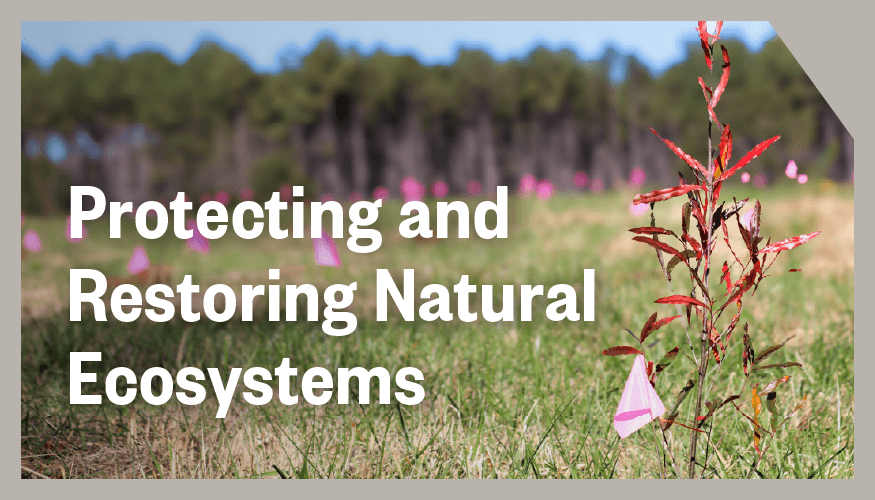
Protecting natural resources is an important part of our planning process, and we carefully evaluate potential environmental impacts before moving forward.
Environmental studies have identified a small impact to one stream on the property. This impact is limited in scope and falls below the federal threshold. It will be addressed in accordance with applicable state and federal regulations.
In addition, reviews by the U.S. Fish and Wildlife Service have determined that the project is not expected to adversely affect any federally protected threatened or endangered species.
Overall, the project is designed to minimize environmental impacts, comply with all regulatory requirements, and responsibly manage natural resources as development plans move forward.
Diesel generators are used for emergency backup purposes only and are not the main source of power for our data centers. Generators are tested once a month for a short period of time for routine maintenance. Our diesel storage tanks are double-walled and equipped with interstitial leak monitoring and containment systems to minimize noise and ensure environmental protection. Additionally, our generators come equipped with high-efficiency filters to protect air quality and reduce emissions. These filters help minimize air pollutants and noise levels to keep the community safe in the limited cases that backup generators are needed.
QTS will apply for an air permit to the Department of Natural Resources (DNR). The DNR is the delegated permitting and enforcement arm, from the US EPA under the Clean Air Act, to ensure that air pollution is within acceptable levels.
Any equipment that QTS uses, we recycle. In most cases, old electronics are typically used to build new component parts. We encourage our tenants to participate in a similar recycling plan.
A common misconception is that living near a data center poses increased health risks due to radiation. All buildings regardless of usage and occupancy emit electromagnetic radiation. In fact, data centers emit levels of electromagnetic radiation comparable to those of standard commercial or residential buildings. Extensive research has been conducted, and no evidence has been found to conclude that exposure to low-level electromagnetic fields is harmful to health.
There is no federal Environmental Impact Statement for this project because it is not a federally permitted action that triggers that process, but the project is still subject to extensive environmental review and permitting at the state and federal levels. For example, any impacts to wetlands require review and approval by the U.S. Army Corps of Engineers, floodplain impacts are prohibited, and construction cannot begin until all required permits, such as stormwater and other environmental permits, are issued by the appropriate agencies. Property values are influenced by many factors, but development on this site must comply with zoning conditions, buffers, and design standards intended to protect surrounding areas. Relevant site information has been shared with Fort Gordon, which has the opportunity to provide comments through established review channels. Power infrastructure is reviewed and approved separately by the utility and regulators, not through the zoning process. Ultimately, decisions about approvals rest with the City, and no further development can proceed unless and until required permits and City approvals are granted and placed on the public record.
Backup generators are a standard part of data center design and are used only if there is a loss of utility power. Because the project is still in the site‑plan phase, final details such as the exact number, size, and placement of generators are not yet finalized and will be shown in future approved plans. In general, generators are located on‑site in areas designed to minimize visual and noise impacts and are equipped with mufflers and other noise‑control features. They are typically tested monthly for a short duration, to ensure reliability in an emergency. Diesel fuel used for backup generators is regulated and stored in accordance with applicable safety and environmental requirements, and it is not considered hazardous waste during normal use. The project must also comply with local noise standards and all applicable permitting and safety regulations before it can operate.
Protecting air quality is a requirement of this project, not an option. The equipment used on site, including backup generators, is regulated under state and federal air‑quality standards and cannot operate without meeting those requirements. Backup generators are used only in limited circumstances and are subject to emissions controls and operating limits, and they cannot emit pollutants freely or continuously. If permits are required, they must be obtained and complied with before operation, and even where permits are not required, the equipment must still meet strict emissions standards set by environmental regulators. Compliance with these air‑quality rules is overseen by state and federal agencies, not the City or QTS alone, and the project cannot move forward unless those standards are met.
QTS has committed to conducting an acoustic analysis to ensure we comply with the proposed decibel thresholds and all local, state and federal noise emission regulations.
Our data centers are designed not to exceed permissible noise levels, and we implement a variety of sound mitigation strategies, including equipment enclosures, sound barriers and strategic grading and site layouts fit for each development.
QTS data center buildings are constructed to meet or exceed green building standards, which includes responsible lighting design. The lighting strategy will mitigate impact to wildlife and natural areas by implementing special lighting techniques. These include using directional lighting pointed downward and covered to reduce light pollution, lower wattage and brightness levels, motion sensors and automatic systems to avoid unnecessary lighting and landscaping to minimize light impact. All lighting plans will meet local and state code requirements.
While data centers are critical infrastructure, they are among the most secure and reliable facilities in technology.
QTS data centers are designed with multiple layers of physical, technical and environmental security controls including biometric access controls, 24/7 surveillance and advanced cybersecurity protocols.
QTS data centers use high-security fencing, often 8 to 12 feet tall. This fencing is made of steel and sometimes topped with barbed wire for added protection.
Yes. Entry points are limited and secured with gates controlled by badge access, biometric systems and security personnel.
The Augusta Fire Department and the Richmond County Sheriff’s Office will be the primary responder for emergencies at the proposed facility. We will partner with the department to ensure they have the training, equipment and resources needed to respond effectively to an emergency and protect the community.
The data center will not be an unattended or fully remote facility. Once operational, we project approximately 160 to 220 permanent, on‑site jobs, including positions with QTS as well as jobs with the companies that lease space within the data center. These roles support day‑to‑day operations, security, safety, facilities, and technical systems, and require people physically on site. The facility will follow established emergency notification and response protocols coordinated with local first responders, using standard public safety systems. With respect to security cameras, they are used only to monitor QTS buildings, entrances, and on‑site areas for safety purposes and are not directed at neighboring properties or used to monitor off‑site activity.
Data centers are built for long-term use and are designed to evolve with technology. While the physical structure remains durable and well-maintained, the internal systems (servers, cooling, electrical) are upgraded to keep pace with innovation and efficiency standards.
The QTS approach is modular and scalable, meaning we can integrate new technologies without major reconstruction. This ensures the facility stays operational for decades.
QTS is connecting with Augusta residents through a series of community meetings and events in early 2026. These efforts are designed to keep everyone informed, answer questions, and encourage local involvement in the project.
Highlights include upcoming public events, chances to meet with QTS representatives, and ongoing open communication with city leaders. QTS is committed to transparency and ensuring the community has the information needed as the project moves forward.
We will continue to work closely with the City of Augusta, Richmond County and state agencies as the project moves through the review and permitting process, including environmental, economic and infrastructure assessments.
We will share updates and maintain open communication with local leaders, residents and community partners as the project advances.
For additional updates, resources and information about the proposed QTS Data Centers project, please revisit this page.
We understand that projects of this scale raise important questions and concerns, and we take them seriously. We’re committed to providing clear, timely updates through our FAQ page and ongoing communications.
Residents can reach us anytime via [email protected], our website comment form, or at upcoming community events.
Development Scope
QTS Investment
Construction Jobs
Permanent Jobs
QTS is powered by people who are here for you.
Stay tuned for updates on development.
Becoming one of the fastest growing data center companies was no accident. Our innovative thinkers are the go-to sources for the latest information in data service space.