Data Center Campus
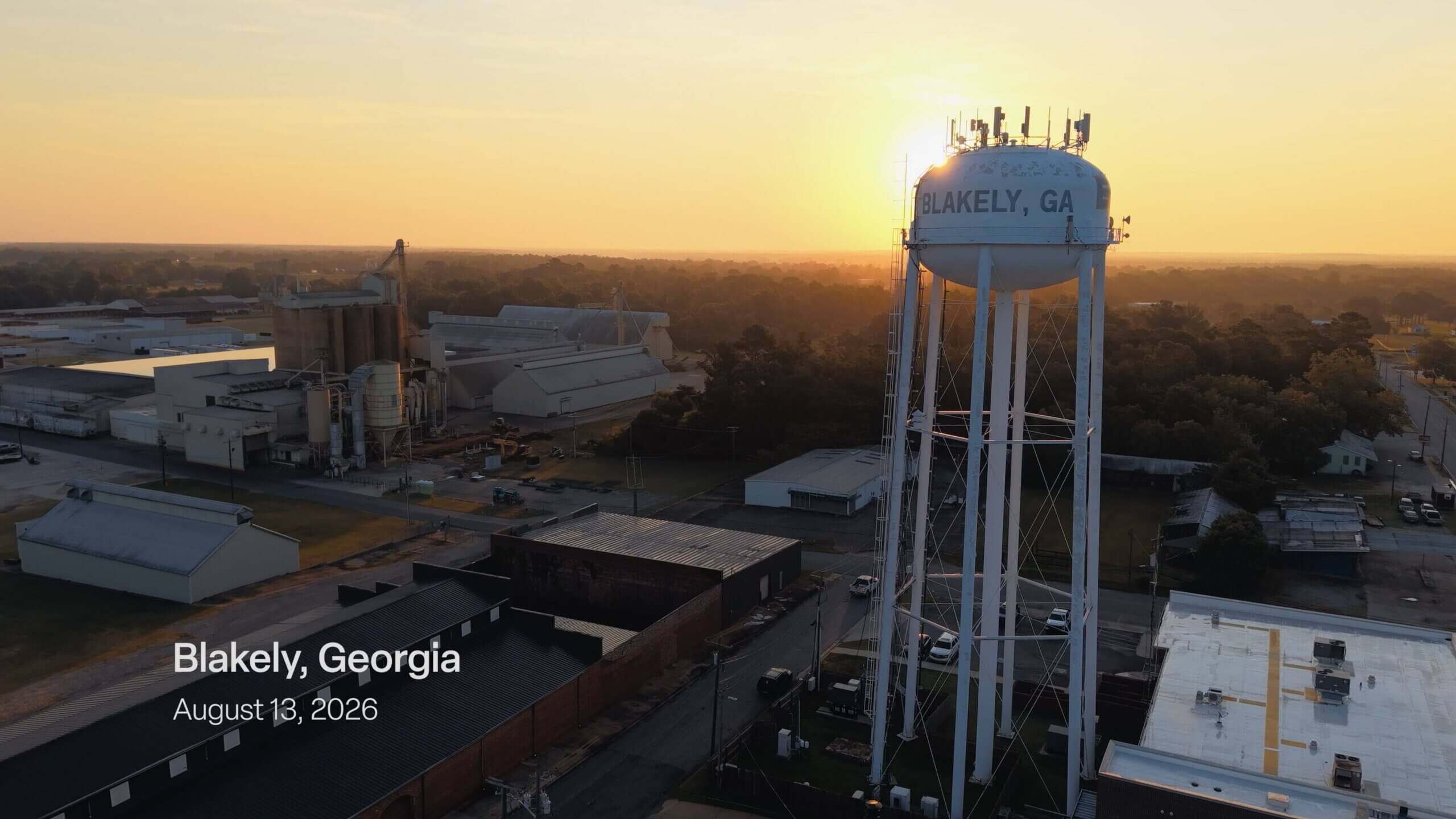
QTS is working with the Blakely community to establish new data center campuses in Early County. We are committed to serving as a responsible and engaged neighbor, supporting economic growth, advancing environmental stewardship and contributing to the ongoing prosperity of Blakely.
WHY QTS
We believe how we deliver our data centers is just as important as what we deliver. For Early County, that means taking a responsible, community‑first approach that considers local priorities, protects shared resources and contributes lasting value.
We will fund the energy infrastructure and electricity required to support the campus, ensuring project-related energy costs are not passed on to local residents.
This data center campus will utilize a closed-loop cooling system that consumes no water for cooling once operational, reflecting our commitment to sustainable operations.
We will create good-paying jobs for local residents and partner with local businesses. This includes both construction jobs during development and long-term roles once the facility is operational, with a focus on hiring locally whenever possible.
Our commitment to community doesn’t stop at the data center doors. We invest in the places we call home, generating long-term tax revenue that helps fund local priorities such as schools, infrastructure and local services identified by the community.
We believe in being open and honest. We will listen to your voice and share updates on our progress and work together to make decisions that matter. As plans move forward, we will share updates through this page and other community channels so residents know what to expect.
QTS is proud to partner with Blakely and Early County and establish a $28.75 million Community Betterment Fund that will benefit local families, businesses and future generations. By investing in the community today, we’re working together to build a stronger tomorrow for Early County.
Community-focused improvements at Meadowbrook Park, including a splash pad and facility renovations, along with a new walking trail and restrooms at Jeanette King Memorial Park.
Funding will help establish a QTS Data Center Trade School within the Early County High School system, creating new pathways for students to build skills for future careers.
Funding will support a study to identify needed improvements, repairs, and replacements that help strengthen the community’s sanitary and stormwater systems.
Improvements will help strengthen fire protection and support broader community needs, while upgrading the existing system used to monitor the water system.
Plant upgrades will help support the QTS development and create opportunities for both QTS and the city to make beneficial use of effluent water through a bio-reactive system. Funding is not expected to be needed until 2028.
Financial assistance will help support local police and fire safety agencies as they continue serving and protecting the community.
A data center is a purpose-built building that stores a large amount of digital data. This data – and the applications used to create, process and share it – is housed in servers that reside within the data center. Data centers are vital hubs for businesses, governments and organizations that rely on technology.
QTS evaluates potential locations based on a wide range of factors that support long-term, responsible development. These include access to reliable power infrastructure, proximity to fiber networks, availability of suitable land, alignment with local planning goals and the opportunity to partner with communities that are interested in economic growth.
Early County has demonstrated a strong interest in attracting new investment and supporting industries that bring long-term benefits to the community. Local leadership has expressed a commitment to responsible development, and the region has a workforce that can benefit from new jobs and associated economic activity.
QTS also considers environmental stewardship and the ability to design facilities that meet or exceed sustainability and operational standards. Early County offers conditions that allow for responsible site planning and coordination with local and state officials as the project advances.
A data center is the physical building and infrastructure that supports our digital lives. It securely houses servers that process and manage data 24/7—supporting healthcare, research, banks, schools, streaming, cloud services, and AI. Every time you send an email, check your bank balance, join a video meeting, use an app, save photos to the cloud, or ask AI a question, you’re accessing a data center.
Bitcoin mining is different because it’s not supporting all those services. It’s specialized computing used mainly to run the Bitcoin network and earn cryptocurrency rewards. So the difference is the mission: data centers support everyday digital services; mining is focused on producing Bitcoin.
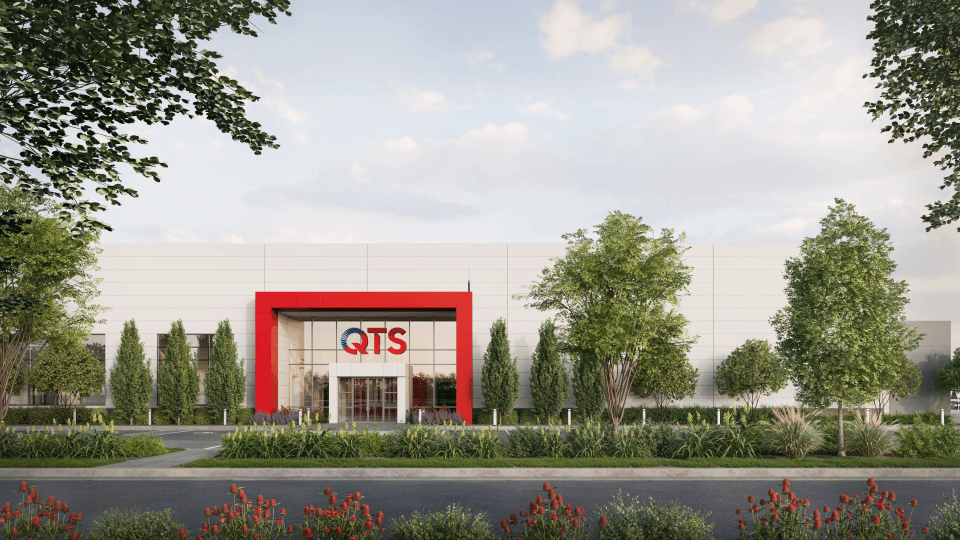
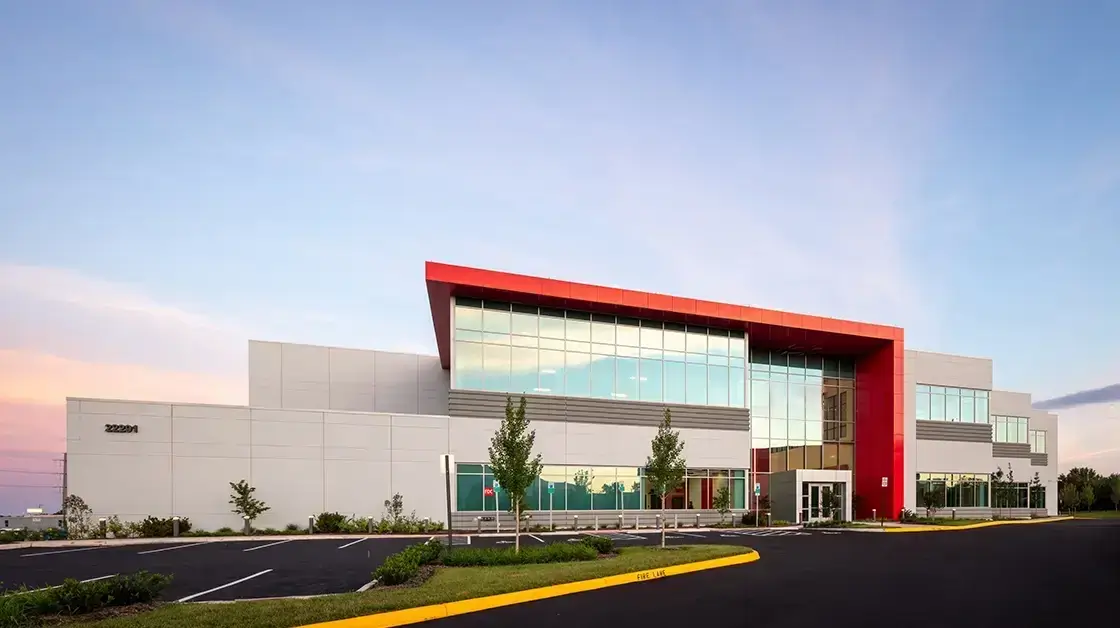
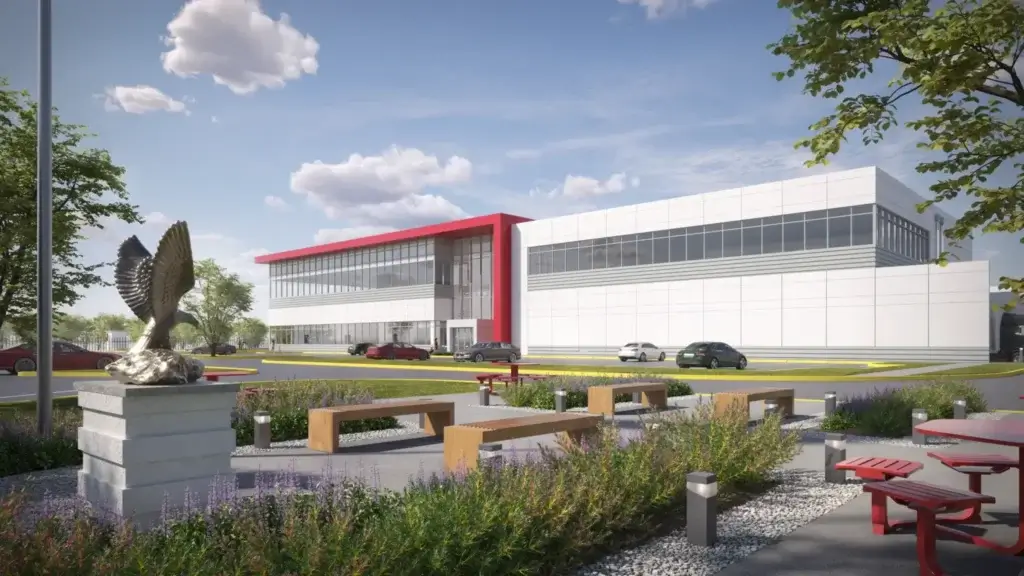
QTS Data Centers is investing in the future of Early County with a proposed data center campus in the City of Blakely. The designs are not final as we are still in early planning stages.
We take pride in constructing buildings with aesthetic appeal in the communities where we operate. We have a track record of working with local communities to ensure our buildings meet local design standards.
Although we are still in the early planning stages, we plan to minimize visual impacts on neighboring properties through substantial buffers and setbacks. We will incorporate buffer screens to conceal equipment from view and utilize landscaping techniques such as berms to enhance aesthetics.
This will depend on the final site plan, which isn’t determined yet. Many of our campuses are built in phases, so construction may occur over time, often spread across 5 to 10 years depending on the pace of development.
We don’t have a start date to share yet. The timeline depends on completing zoning and permitting, environmental review, and final utility agreements.
It’s still early in the planning process, so we can’t say yet exactly what—if any—public road improvements will be needed. What we can commit to is minimizing impacts during construction by coordinating haul routes with local officials, using dust control and street sweeping, monitoring road conditions, and working with the City and County to address any damage promptly. If temporary repairs are needed to keep roads safe, we’ll coordinate those until permanent fixes are completed.
QTS will fully fund and manage all upgrades or improvements needed.
During construction, stormwater is managed through permitted, temporary erosion and sediment controls required by state and local regulations. That typically includes sediment basins, silt fencing, stabilized construction entrances, and controlled discharge points. These measures are designed to slow runoff, capture sediment, and prevent erosion before water leaves the site. Controls are regularly inspected and maintained until the site is fully stabilized.
Once construction is complete, stormwater is managed through permanent infrastructure like detention ponds, vegetated swales, and underground piping. These systems are engineered to match or reduce pre‑development runoff rates. They safely detain and slowly release stormwater to help protect downstream waterways from erosion and flooding. All permanent systems will be designed and approved in accordance with local ordinances and civil development plans.
Flocculants may be used during construction on a limited, as‑needed basis to help remove sediment from stormwater. This would only occur during active earthwork, such as in temporary detention basins or dewatering operations, to help settle sediment. Any flocculants used must be EPA‑approved and specifically permitted for construction stormwater applications. Use is temporary and only during active construction—not after the site is stabilized.
Flocculants are not used during normal, post‑construction operations. Permanent stormwater facilities do not rely on chemical treatment once construction is complete.
No, there is no routine pumping of detention ponds into waterways or wetlands. During rain events, temporary detention ponds or sediment basins may release stormwater off‑site through approved discharge points. Any discharge occurs only after sediment control and treatment, must meet permit requirements, and is designed to prevent erosion or degradation of receiving waters. These discharges are not intended to alter natural hydrology or impact wetlands.
Once construction is complete, permanent detention ponds release stormwater at controlled, reduced rates, consistent with approved design criteria. Discharge locations and methods are reviewed and approved by the local jurisdiction as part of the civil development process.
Water use during construction is temporary and varies based on site conditions and the specific activities underway. Some water is used for dust control, particularly during dry conditions, to maintain safety and reduce impacts to nearby properties.
Additional water may be used during initial startup activities, such as filling the chilled water system, but the exact amount depends on final design and has not been determined yet. That startup activity occurs once, during initial commissioning—not on an ongoing basis.
Once operational, the chilled water system is closed‑loop and does not consume water for cooling. Water use is limited to normal building needs like bathrooms, kitchens, and landscaping—similar to other commercial buildings.
Data centers bring large investment to the area resulting in increased tax revenues. This revenue, at the direction of local leaders, can go towards addressing pressing issues for community members, including public works, community development programs and education.
Data centers create technology ecosystems, driving more technology and infrastructure companies to the area and creating more high-wage jobs. The building of a data center campus creates hundreds of construction and building trade jobs. Data centers require ongoing maintenance, which generates revenue and job demand for furnishing and equipping, security, maintenance vendors and other on-site support companies.
We estimate hundreds of permanent jobs will be created which reflects a combination of positions directly employed by QTS, jobs with the tenants of our facility, and jobs tied to campus operations such as maintenance. These numbers are projections based on similar projects.
Building a data center campus requires a wide range of skilled trades and creates significant job opportunities during construction. These include roles such as excavation crews, concrete workers, heavy equipment operators, steel erectors, carpenters, roofing specialists, electricians, HVAC technicians, pipefitters, plumbers, cabling technicians, painters, flooring installers, security system installers, and more.
In addition to these skilled trades, the project will also involve project managers, safety officers, and logistics coordinators.
Beyond construction, data centers employ a wide range of onsite jobs across operations, project management, procurement, logistics, security and maintenance/technology.
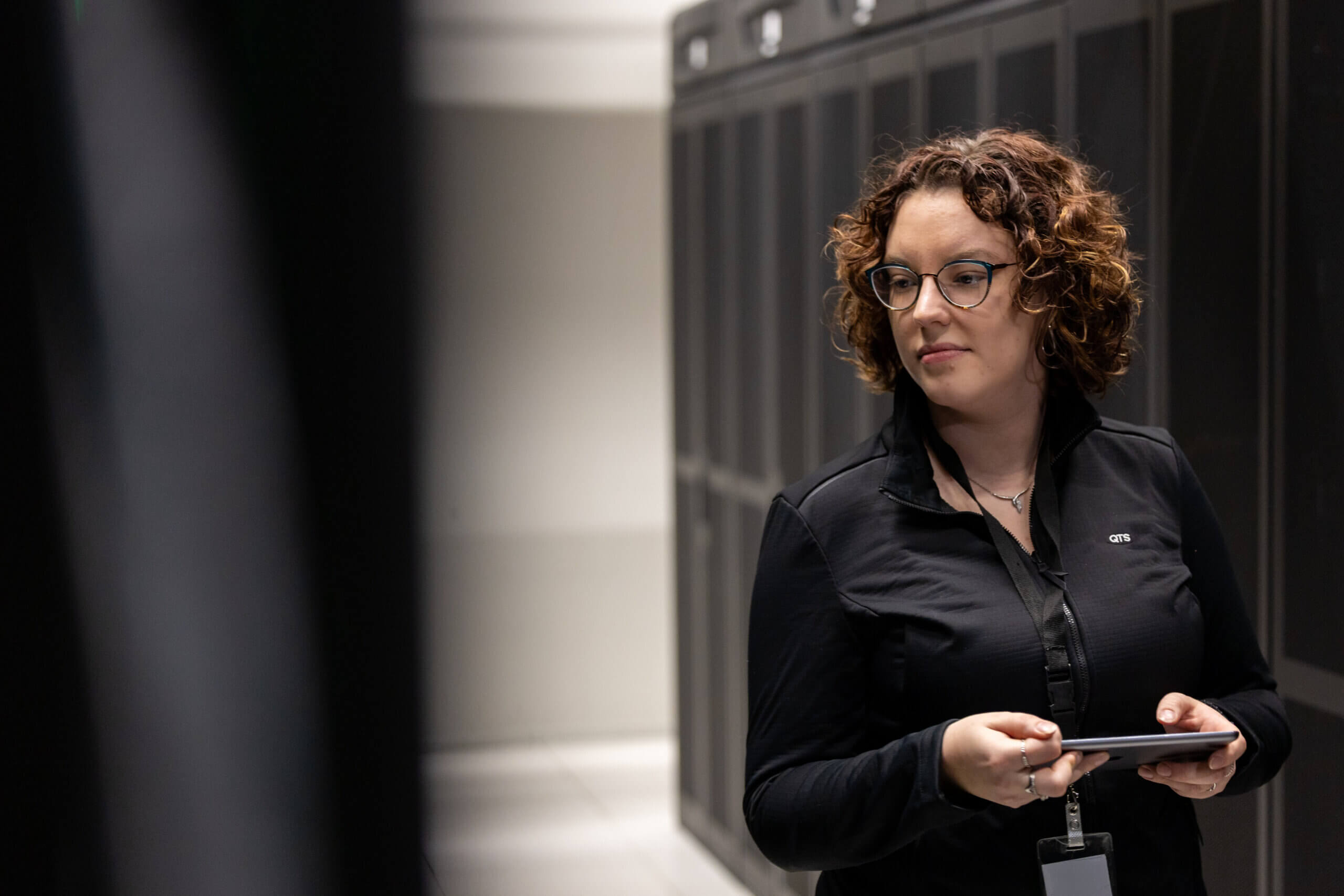
Skillsets range from technical (electrical, mechanical, IT certifications) to administrative and security. Importantly, our Data Center Academy program provides paid training for individuals with no prior experience, creating a pathway to become a Critical Operations Technician.
We typically pay an average of $80,000 for an annual salary for a Data Center Technician.
QTS is committed to supporting the local economy by hiring as many local businesses and contractors as possible throughout the construction and development of our campus.
Through partnerships with local schools, technical colleges, and workforce programs, we aim for a significant portion of roles to be filled by community residents.
For the Blakely project, QTS estimates 1,000 plus construction jobs over the course of development, based on current projections. All figures are estimates based on similar projects and may evolve as development progresses.
We’ve been working with the City of Blakely and Early County as a planning partner to help think through long‑term growth. That includes discussions around how this project fits into a future comprehensive plan so the community is prepared; not just for this project, but for long‑term success.
Local leaders ultimately guide growth decisions, and our role is to provide information, coordination, and support as they plan. Those conversations help ensure infrastructure, services, and land‑use planning are aligned with potential growth over time. The goal is to make sure the community is positioned to manage growth thoughtfully and in a way that reflects local priorities.
QTS will publish bids and will seek to prioritize the use of local vendors and contractors whenever possible, consistent with project requirements and procurement processes. QTS also plans to host a Meet the Buyer event to better get to know what local suppliers are in the area and share our specific needs. We will work with Early County and the Chamber of Commerce to help facilitate this event.
The project is currently in the concept stage, with a potential gross capacity of 1,400 MW.
It’s important to note that data centers rarely operate at 100% of gross capacity, and QTS does not control how much energy tenants consume within their leased space. Our responsibility is to deliver the infrastructure that enables tenants to monitor and manage their own energy usage effectively.
QTS does not generate power onsite for normal operations. Our data centers are connected to the local electric utility, which provides reliable power through the existing grid.
QTS will pay for all the needed energy infrastructure for the project, and there will be no cost impact on existing customers of the MEAG Power System as a result.
Generators are used for emergency backup purposes only and are not the main source of power for our facilities. Backup generators are equipped with high efficiency filters to protect air quality and reduce emissions. These filters help minimize air pollutants and noise levels to keep the community safe and clean in the limited cases that backup generators are needed.
QTS conducts one monthly and one annual test on the generators to ensure they are working properly and for warranty purposes. This activity is regulated by state and federal standards.
QTS aspires to source the maximum amount of carbon-free energy. In 2024, QTS achieved full utilization of carbon-free operational electricity across our facilities. We work closely with utility companies to identify innovative and sustainable ways to best serve the communities in which we operate in and the environment.
Our diesel storage tanks are double-walled and equipped with interstitial leak monitoring and containment systems which are 110% of the full volume of the tank to ensure environmental protection. We also have an SPCC (Spill Prevention and Countermeasure Plan) which is required as part of our permit to operate the generators. This plan ensures we have the appropriate planning, training and countermeasures in place to prevent a fuel spill and to properly handle a spill if one occurs.
Diesel generators are used for emergency backup purposes only and are not the main source of power for our data centers. Generators are tested once a month for a short period of time for routine maintenance. Our diesel storage tanks are double-walled and equipped with interstitial leak monitoring and containment systems to minimize noise and ensure environmental protection. Additionally, our generators come equipped with high-efficiency filters to protect air quality and reduce emissions. These filters help minimize air pollutants and noise levels to keep the community safe in the limited cases that backup generators are needed.
QTS will apply for an air permit to the Department of Natural Resources (DNR). The DNR is the delegated permitting and enforcement arm, from the US EPA under the Clean Air Act, to ensure that air pollution is within acceptable levels.
Backup power is provided through emergency generators that activate only in the event of a utility outage. These generators ensure continuous operations for tenants who rely on uninterrupted service.
All generator operations are designed to stay within both state and federal emissions requirements. Each data center has a publicly available emissions limit set by regulatory agencies.
QTS data centers are built with a closed-loop cooling system that does not consume water for cooling, once operational. Because our cooling technology uses a closed-loop system, there will be no impact to water supply in Early County.
Once the cooling system is up and running, Early County water will only be used for everyday building needs – like bathrooms, kitchens, cleaning and landscaping – just like any other commercial building. An average facility typically uses less than average water use by industrial standards, using about 50,000 gallons a month for humidification and domestic use, such as bathrooms and kitchens. This is comparable to the monthly water use of under five average households.
The closed-loop system that cools the data hall uses only water. We will need to initially charge the system with a one-time fill. The initial charge varies based on building design, however for a standard building, the initial charge is about 600,000 gallons. While that one time fill is needed upfront, this design can save about 300 million gallons of water over the course of a year compared to traditional cooling approaches. Under normal operation, the initial charge is intended to remain in the system indefinitely, supported by routine maintenance and leak detection.
Since we’re still early in the planning stage for this development, it’s hard to predict the exact amount of water needed.
We’re currently in discussions with the City of Blakely Water Department to identify the best solutions to support the initial fill. This may be a mix of municipal supply, imported water or use of the rights in existing onsite wells.
If this project requires upgrades to the local water supply, QTS will fully fund and manage all upgrades. These improvements would also create new opportunities for residents to connect to public water services.
The closed-loop cooling system is just water. There’s no refrigerant in the water—the refrigerant stays sealed inside the chiller equipment, like in a home air conditioner, and it never mixes with the water.
The closed‑loop cooling system includes leak detection to minimize any water loss. If water is removed during maintenance or repairs, it is captured and managed responsibly and disposed of in accordance with applicable EPA and local regulations.
Stormwater runoff volume is managed through the approved site design and required inspections. The site will be engineered to capture and control stormwater using permitted stormwater features (such as detention/retention and conveyance structures) sized to meet state and local design standards. During construction and after completion, stormwater controls are inspected and maintained under the applicable permits, with compliance oversight through the established local and state permitting process.
QTS facilities are secure sites, so we do not allow public access for on-site sampling or independent monitoring. Runoff is managed under applicable stormwater permits and is subject to required inspections and regulatory oversight. Where monitoring or reporting is required by permit, that information is provided through the established regulatory process, and any records that are public would be available through the appropriate agency.
Overall water use is expected to be low because the cooling system does not rely on evaporative cooling. Water demand mainly comes from typical building needs rather than ongoing cooling operations. For a typical building, we use less than average water use by industrial standards, using about 50,000 gallons a month for bathrooms, kitchens, irrigation and humidification. This is about what 4 households use a month.
If this project requires upgrades to the local water supply, QTS will fully fund and manage all upgrades. These improvements would also create new opportunities for residents to connect to public water services.
There is no evaporation because the cooling system is fully closed and not exposed to outside air, so it does not require ongoing water replacement.
Diesel generators are used for emergency backup purposes only and are not the main source of power for our data centers. Generators are tested once a month for a short period of time for routine maintenance. Our diesel storage tanks are double-walled and equipped with interstitial leak monitoring and containment systems to minimize noise and ensure environmental protection. Additionally, our generators come equipped with high-efficiency filters to protect air quality and reduce emissions. These filters help minimize air pollutants and noise levels to keep the community safe in the limited cases that backup generators are needed.
QTS will apply for an air permit to the Department of Natural Resources (DNR). The DNR is the delegated permitting and enforcement arm, from the US EPA under the Clean Air Act, to ensure that air pollution is within acceptable levels.
Any equipment that QTS uses, we recycle. In most cases, old electronics are typically used to build new component parts. We encourage our tenants to participate in a similar recycling plan.
A common misconception is that living near a data center poses increased health risks due to radiation. All buildings regardless of usage and occupancy emit electromagnetic radiation. In fact, data centers emit levels of electromagnetic radiation comparable to those of standard commercial or residential buildings. Extensive research has been conducted, and no evidence has been found to conclude that exposure to low-level electromagnetic fields is harmful to health.
QTS has committed to conducting an acoustic analysis to ensure we comply with the proposed decibel thresholds and all local, state and federal noise emission regulations.
Our data centers are designed not to exceed permissible noise levels, and we implement a variety of sound mitigation strategies, including equipment enclosures, sound barriers and strategic grading and site layouts fit for each development.
QTS data center buildings are constructed to meet or exceed green building standards, which includes responsible lighting design. The lighting strategy will mitigate impact to wildlife and natural areas by implementing special lighting techniques. These include using directional lighting pointed downward and covered to reduce light pollution, lower wattage and brightness levels, motion sensors and automatic systems to avoid unnecessary lighting and landscaping to minimize light impact. All lighting plans will meet local and state code requirements.
While data centers are critical infrastructure, they are among the most secure and reliable facilities in technology.
QTS data centers are designed with multiple layers of physical, technical and environmental security controls including biometric access controls, 24/7 surveillance and advanced cybersecurity protocols.
QTS data centers use high-security fencing, often 8 to 12 feet tall. This fencing is made of steel and sometimes topped with barbed wire for added protection.
Yes. Entry points are limited and secured with gates controlled by badge access, biometric systems and security personnel.
The Blakely Police Department, Early County Sherriff’s Office and the Blakely Fire Department will be the primary responders for emergencies at the proposed facility. If the project moves forward, we will partner with the departments to ensure they have the training, equipment and resources needed to respond effectively to an emergency and protect the community.
Data centers are built for long-term use and are designed to evolve with technology. While the physical structure remains durable and well-maintained, the internal systems (servers, cooling, electrical) are upgraded to keep pace with innovation and efficiency standards.
The QTS approach is modular and scalable, meaning we can integrate new technologies without major reconstruction. This ensures the facility stays operational for decades.
For emergencies, we coordinate with local first responders, including law enforcement and the fire department. QTS also has dedicated onsite security and layered access controls, and we provide routine training and coordination so responders are familiar with the site and can respond safely if needed.
We take pride in listening to the unique needs of each community to determine the best way in which we can contribute. We are committed to providing job opportunities, fostering economic growth, working with local suppliers and operating as trusted neighbors and responsible stewards of the environment and community resources.
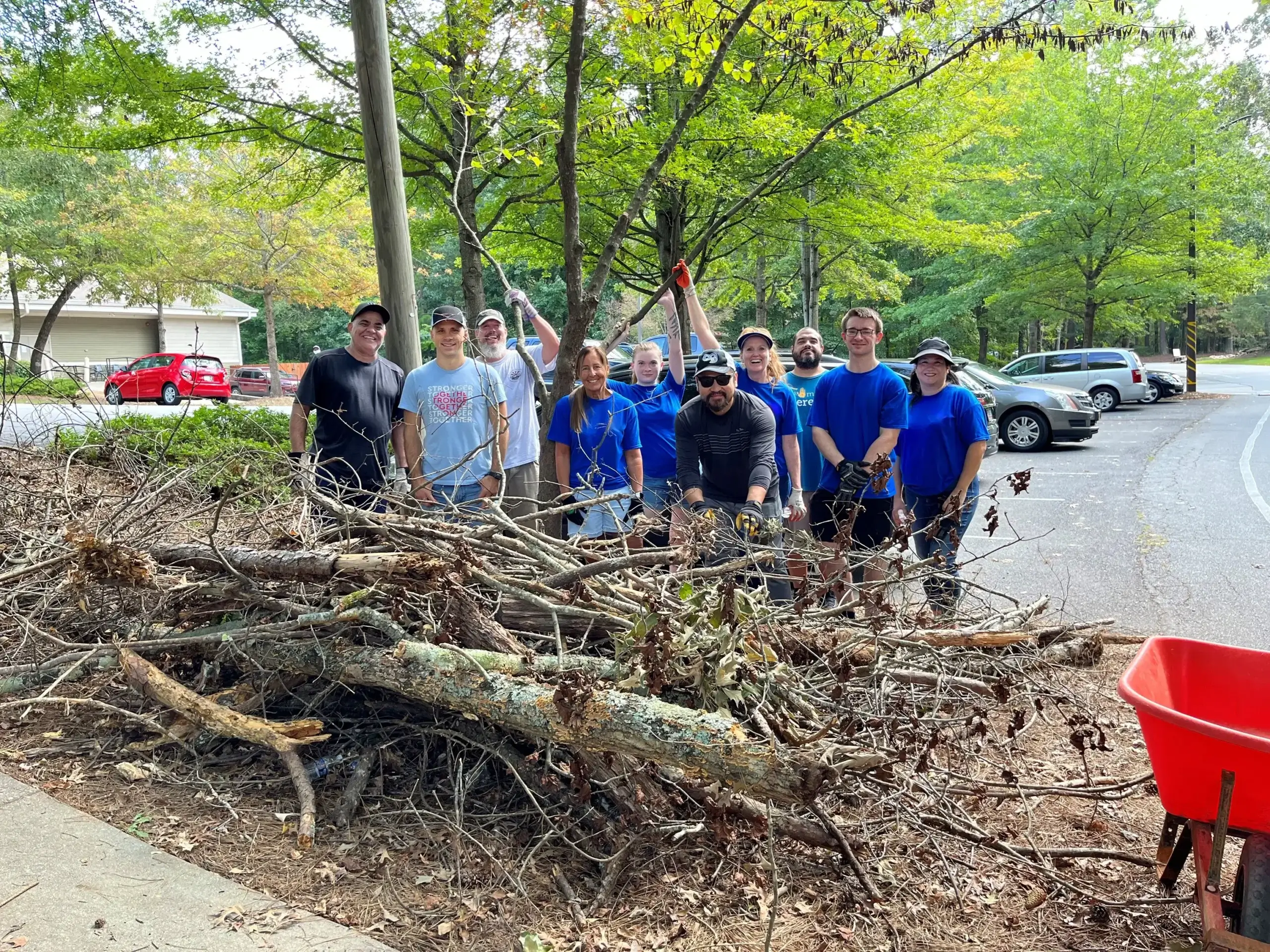
We share our growth through diverse giving programs – including individual employee volunteerism and matched donations, corporate-sponsored events, grants to charitable organizations and success-based giving.
We will continue to work closely with the City of Blakely, Early County and state agencies as the project moves through the review and permitting process, including environmental, economic and infrastructure assessments.
We will share updates and maintain open communication with local leaders, residents and community partners as the project advances.
For additional updates, resources and information about the of the proposed QTS Data Centers project, please visit q.com/data-centers/blakely/.
We understand that projects of this scale raise important questions and concerns, and we take them seriously. We’re committed to providing clear, timely updates through our FAQ page and ongoing communications.
Residents can reach us anytime via [email protected], our website comment form, or at upcoming community events.
QTS is announcing a long-term community investment partnership with the City of Blakely and Early County. The investment includes annual payments beginning in 2026, support for a $28.75 million Community Betterment Fund and ongoing contributions designed to support local priorities, infrastructure, workforce development and economic growth.
Community benefits will begin before construction starts. QTS will make annual payments of $7.5 million for three years beginning in December 2026 to support local priorities and community improvements.
QTS is making a multi-faceted investment that includes annual payments to the community, a $28.75 million Community Betterment Fund and long-term tax revenue that will support local services and priorities for years to come.
The Community Betterment Fund is a $28.75 million commitment from QTS designed to support projects and initiatives that strengthen the community and create lasting benefits for future generations.
The fund is intended to support community priorities such as infrastructure improvements, school enhancements, workforce development programs and resources and training for local law enforcement and fire departments.
Our Georgia roots run deep. We’ve been proud to be a part of the state for more than 20 years. Beyond this project, we are building and operating campuses across the state. Check out our other Georgia data center campuses.
Your feedback shapes our work. If you live or work in Blakely, we welcome your perspective and questions at any stage of this process.
Looking for more context on how QTS builds and operates data centers in communities like Blakely?